How to Sleep Well and Wake up Recharged!

0908 sleepWe all know that waking up early is good for us. We can exercise, study, work… simply have more life! But most people find it difficult to sleep well and wake up early and fresh. I think a lot of people feel crappy in the morning. Here are some tips and tricks I have learned over the years that help me sleep better and wake up fully recharged – most of the time:

  1. Dinner time and type. If your digestion process goes on during sleep you will wake up tired. So what you eat for dinner and how much time you allow between dinner and bedtime is critical. If your dinner is light and simple, a couple of hours may be enough for digestion. But if you eat a heavy and complex meal, you shouldn’t go to bed for at least four hours after dinner.
  2. Avoid caffeine and chocolate. These have been shown to have the worst affect on the quality of sleep. Depending on your level of tolerance, stay away from these two 4 to 8 hours before bedtime.
  3. Exercise. A tiring workout or a swim is sure to result in a good sleep. But even moderate exercise like a brisk walk can significantly improve the quality of sleep.
  4. Take a bath. A warm bath can often do wonders if you are having a problems with your sleep. Use a moisturizer to avoid dehydrated skin. Continue reading

Exercise Alone Won’t Make You Thin!

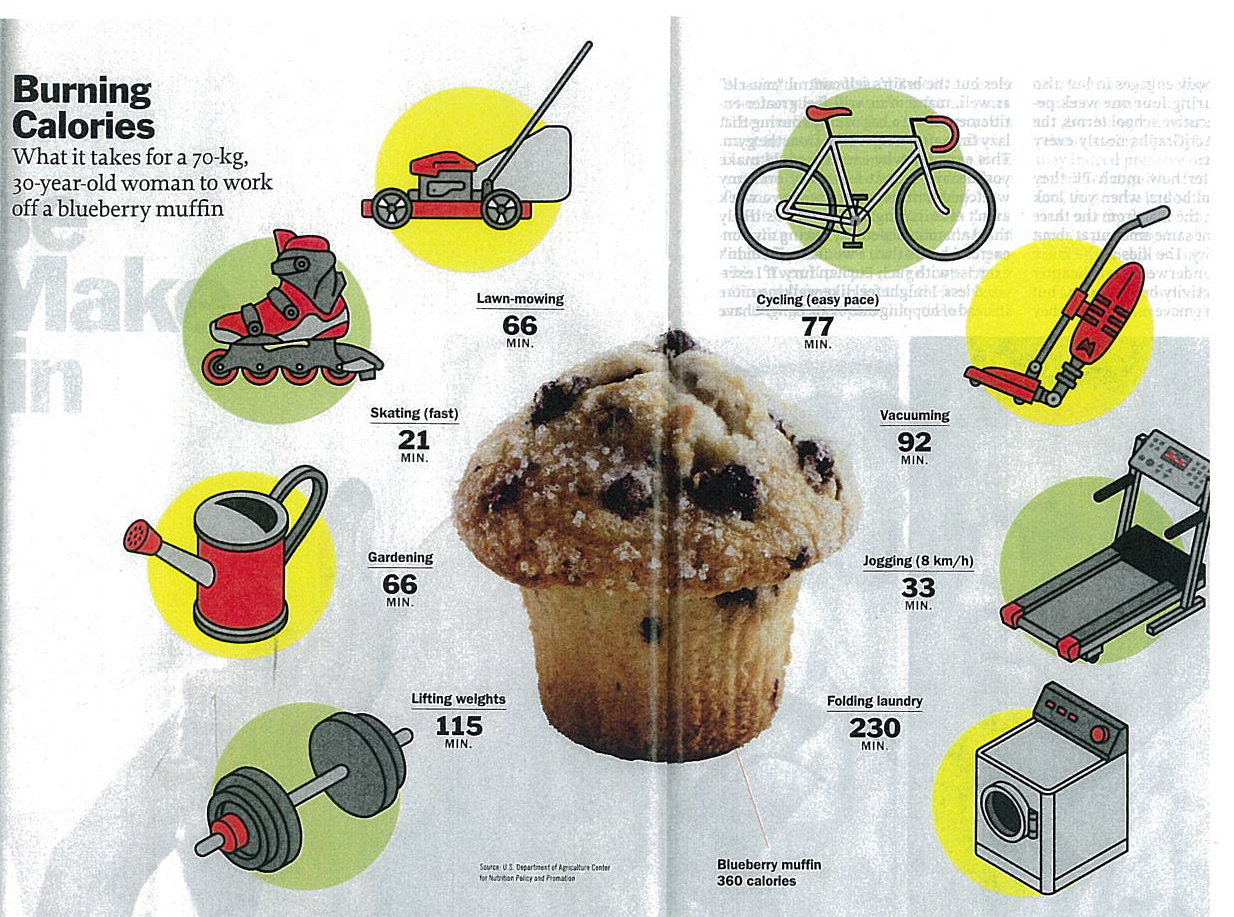
0908 muffinTIME magazine article “Why Exercise Won’t Make You Thin” reports interesting statistics showing that most people who exercise end up eating more, and eating worse. Not only these people don’t lose any weight, they often end up gaining weight.

After we exercise, we often crave sugary calories like those in muffins or ‘sports’ drinks. A bottle of Gatorade contains 130 calories. So if you drink one of those after a 20-minute run it neutralizes the calories burned. A blueberry muffin contains about 360 calories, and the illustration below shows what it takes to burn that many calories: over an hour of cycling, over half hour of jogging, and hour and a half of vacuuming are a few.

However, the article also lists many benefits of exercising including enhanced health and prevention of disease. And then goes on to suggest that exercise doesn’t have to be ‘sweaty, exhausting, hunger-producing bursts of activities’. Continue reading

11 Health Benefits of Fasting

I found enormous amounts of material when I started looking for the health benefits of fasting. It seemed that every expert in medicine, health and fitness had something to say about the benefits of fasting. But the following piece from Dr. Cinque summarizes it all very well:

  1. Fasting promotes detoxification. As the body breaks down its fat reserves, it mobilizes and eliminates stored toxins.
  2. Fasting gives the digestive system a much-needed rest. After fasting, both digestion and elimination are invigorated.
  3. Fasting promotes the resolution of inflammatory processes, such as in rheumatoid arthritis.
  4. Fasting quiets allergic reactions, including asthma and hay fever.
  5. Fasting promotes the drying up of abnormal fluid accumulations, such as edema in the ankles and legs and swelling in the abdomen.
  6. Fasting corrects high blood pressure without drugs. Fasting will normalize blood pressure in the vast majority of cases, the blood pressure will remain low after the fast, if the person follows a health-supporting diet and lifestyle. Continue reading

Say ‘No’ to Diet Coke!

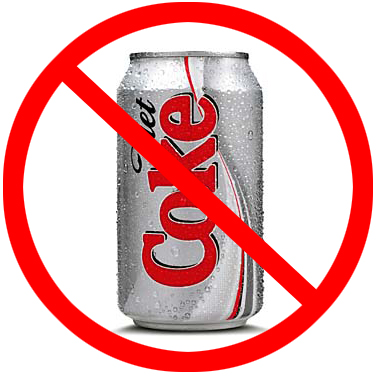
0908 diet cokeIt’s surprising to see so many people, even health conscious ones, drinking sodas – including the diet varieties which use toxic, artificial sweeteners. Here are  few reasons why you should avoid sodas – especially diet ones:

  • pH of 2.5: Sodas are 50,000 times more acidic than neutral. It would require 30 glasses of clean water to balance out just ONE can of soda. Why is this important? All diseases thrive in an acidic environment.
  • High Fructose Corn Syrup: This highly processed sweetener significantly raises insulin levels and has been linked to diabetes and obesity.
  • Aspartame, Splenda: All artificial sweeteners are the result of a chemical process that produces dangerous neurotoxic compounds. Aspartame has been linked to brain tumors, migraines/headaches, epilepsy/seizures, depression and autoimmune diseases. Sucrolose (Splenda) falls into the same category.
  • Caffeine: Caffeine stays in your body for 12 hours before the effect wears off. Even if you think caffeine doesn’t affect you, it will still alter your sleep cycles and the quality of your sleep. Caffeine is also a diuretic – dehydrating you even though you believe you are ingesting liquids.

If you care about your health, replace your sodas with healthy drinks like water, fresh juice and green tea. Not tomorrow, not next week… do it now!

The Power of Breathing

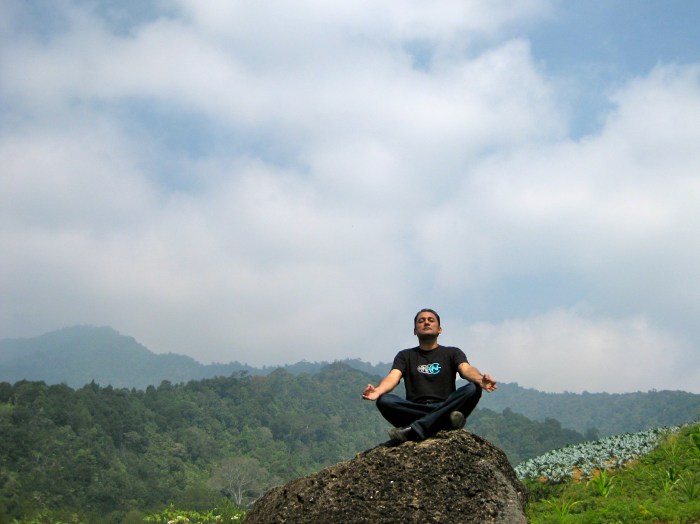
0909 breathe

Breathe. Breathing can transform your life.

If you feel stressed out and overwhelmed, breathe. It will calm you and release the tensions.

If you are worried about something coming up, or caught up in something that already happened, breathe. It will bring you back to the present.

If you are discouraged and have forgotten your purpose in life, breathe. It will remind you about how precious life is, and that each breath in this life is a gift you need to appreciate. Make the most of this gift.

If you have too many tasks to do, or are scattered during your workday, breathe. It will help bring you into focus, to concentrate on the most important task you need to be focusing on right now. Continue reading

Personal Capital, Importance of Sleep and Yoda’s Wisdom!

sleepNote from Mush: Hamza continues to read huge amounts of stuff and has been recommending some really useful stuff. The article on sleep is a must-read. Thanks, Hamza!

For the week ending Sunday, 05/07:

Enjoy.

Weekly Recommendations

For the week ending Sunday, 28/06:

Happy reading.

20 Healthy Habits

0906 exerciseWe all know that everything makes a difference when it comes to a healthy lifestyle. If you find it difficult to make major changes to your diet and exercise routine, start with small changes. See how many of the following you can commit to:

  1. Add a fruit or two to your breakfast. Or make fresh juice with 2-3 of your favorite fruits.
  2. Have a small portion of uncooked vegetables (salad) with your lunch.
  3. Replace unhealthy snacks like cookies and crisps with your favorite dried fruit.
  4. Try fruit yogurt instead of ice cream.
  5. Replace regular coffee with decaf, or better still, herbal teas.
  6. Use olive oil if you must have deep fried stuff.
  7. Have fresh lime instead of carbonated drinks.
  8. Stop eating three hours before your bedtime.
  9. Replace white sugar with brown sugar.
  10. Replace white bread with brown bread.
  11. Replace white rice with brown rice.
  12. Replace regular milk with skimmed milk.
  13. If you must have cheese, have cottage cheese or feta cheese.
  14. Do at least 10 minutes of simple exercise, like stretching or jumping, before breakfast.
  15. Take the stairs instead of elevators.
  16. Park your car a little farther so you have to walk to it.
  17. Take a 10-minute walk during your lunch time – slowly increase to 20 minutes.
  18. Take a 20-minute walk a couple of hours after dinner – with your spouse, kids or dog.
  19. Do some form of intense exercise at least once a week – swimming, cycling, hiking, other sports.
  20. Eat 5-6 small meals instead of 3 big meals a day.

Please share your own health and exercise tips too.

A Better Runner

0906 runnerThe single most important piece of advice I’ve ever gotten on running came from my high school sports/fitness instructor. By running I don’t mean sprints, I’m referring to slightly longer distance runs – anything that takes you over half an hour. This is what he told me:

“Run the first part with your legs, the middle with your mind, and the final with your heart”.

So next time you go on a challenging run, split it into three parts. For the first part just use your legs, focus on the physical movement, the muscles, the blood flow, your feet hitting the floor. For the second part shift the hard work to the mind; affirmations, positive thoughts, visualizing the outcome, self talk. For the final part, run from the bottom of your heart. Pure, unadulterated passion and belief. Completely detaching yourself from the physical movement and complete ignorance of any pain or tiredness you may be feeling, with the awareness that the pain is only temporary and that there is not a force in the world that’s going to stand in your way of completing the run.

Before you know it you’ll be running distances you never thought you were ever capable of. The three part method. Works like a charm.

The Power of Belief!

The placebo effect has an evil twin: the nocebo effect, in which dummy pills and negative expectations can produce harmful effects. The term ‘nocebo’ was coined in 60’s and means ‘I will harm’ in Latin. Nocebo effect has been studied far less than the placebo effect but the results are as far-reaching.

Robert Hahn of the US Centers for Disease Control and Prevention, who has studied the nocebo effect extensively, says: “Beliefs and expectations are not only conscious, logical phenomena, they also have physical consequences.” In clinical trials, about a quarter of patients in control groups experience negative side effects, often matching in severity to those associated with real drugs. Patients undergoing chemotherapy often start feeling sick days before the treatment.

According to Hahn, surgeons are often wary of operating on people who think they will die – because such patients often do. The mere belief that one is susceptible to a heart attack is itself a risk factor. One study found that women who believed they are particularly prone to heart attack are nearly four times as likely to die from coronary conditions than other women with the same risk factors. The ultimate cause of the nocebo effect, however, is not neuro-chemistry but belief!

Sam Shoeman was diagnosed with end stage liver cancer in 1970s and given just months to live. Continue reading

Relationships Make Us Happy!

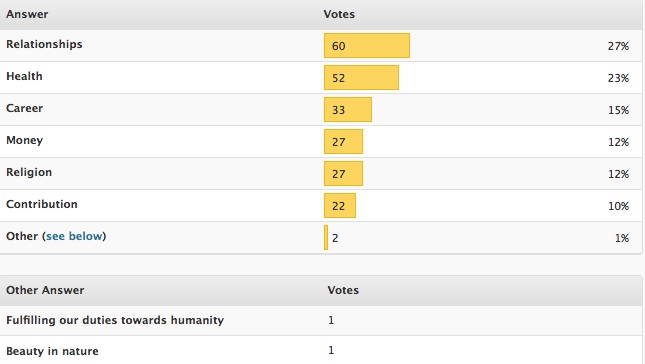
Our poll on What Makes You Happy? has got over 200 votes so far. And ‘relationships’ has continued to be the winner, followed by health and career. Interesting, isn’t it? Question is, why most of us don’t spend most of our time, energy and money trying to enhance our relationships?

happiness-results

Why You Should Unclutter, Play, and Keep Lists

Here it is, your weekly fix of useful posts on everything from uncluttering (is that a word?) to the swine flu.

For the week ending Sunday, 03/05:

Enjoy.

Eat Slowly; Get Slimmer!

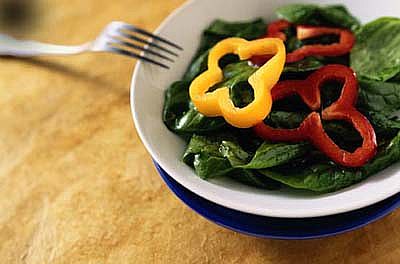
0910 saladThe risks of speed eating were recently published in the British Medical Journal:

“Japanese researchers queried nearly 3,300 people about eating habits and discovered that those who reported eating quickly until they felt full were three times as likely to be overweight as slow eaters who stopped before they were full.”

I find it interesting that this study was done in Japan, because in Okinawa, a place known for its healthy and long-lived populace, there is a saying – hara hachi bu – which loosely translates “Eat until 80% full.” If you have a tough time slowing your pace of eating, do what the Okinawans do. There’s no guarantee, but you have nothing to lose but weight.

Health, Simplicity, Procrastination and Goals

It wasn’t easy compiling this week’s list of links/posts as there were way too many awesome articles swirling around the blogosphere to choose from, but here are the shortlisted six that are a must-read.

For the week ending Sunday, 26/04:

10 Reasons for not Exercising

Let’s take Trevor’s idea one step further, let’s find out the reasons why people don’t exercise. Please tell us your reasons through this poll – full confidentiality guaranteed:

You can still participate in the What Makes You Happy? poll.

Health – Hard Talk, by Trevor Lunn

Trevor Lunn has been one of my best friends, mentors and inspiration for almost two decades. At 60+ he is healthier and fitter than most people half his age. He recently left his long-term publishing career to pursue his dream of getting a degree in Health Sciences. Now he is a full-time university student in Melbourne, majoring in exercise science, psychology and nutrition. He has agreed to share his knowledge and wisdom about health and fitness through this blog. Here’s the first one:

Welcome to Health – Hard Talk. Here will not be found “handy hints and tips” or the latest headlines about “health research” reported in the media, or the supposed quick fixes or mystical herbal or alternative remedies. Here there are no easy, comforting words intended to lull you into the belief that there is little that you can do to improve your own health status; that it’s all in your genes or your circumstances make it unavoidable.

What you will find is ideas and recommendations drawn from high quality scientific literature. They will not be my ideas. They will come mainly from epidemiological studies conducted by the World Health Organization and governments and from scientific research published in peer-reviewed, reputable journals. For now references will not be provided though they can always be requested.

This journey is intended to help you understand where you are with your health compared to the population, what risks you expose yourself to and, hopefully, how you can address these risks and move towards a healthier life. Join me and see where the journey takes you.

Here’s a starting and perhaps startling thought. The leading modifiable risk factor for all-cause mortality world-wide is cigarette smoking. The second is physical inactivity. Putting that into simple language, cigarette smoking kills more people than any other risky behavior and physical inactivity kills more than any of the rest.

If you are in the majority, you do not exercise enough. What’s enough? We’ll get into the detail of that later, but the quick answer is 30 minutes of moderately vigorous activity at least five days a week. Why don’t you do it? Here’s a useful exercise to try. It’s called a Decisional Balance by psychologists. Draw a simple table with two columns side by side. Head one “pros” and the other “cons” Now write down under the “pros” heading all the positive outcomes you think would result from exercising and in the “cons” column all the possible negative outcomes.

Post your answers and we’ll start our journey.

What makes you happy? Preliminary results!

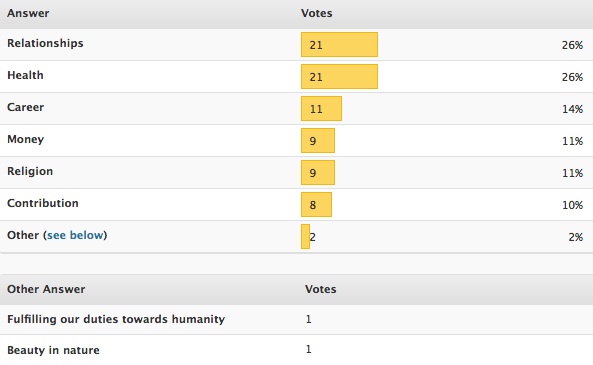
Here’s what it looks like, so far:

poll-resultsBut that’s just based on 81 votes! Do you think the results would change much if we had 800 votes instead? Please help get some more votes, and let’s find out.

A respected friend of mine asked me the purpose of this survey, and whether I guarantee confidentiality. Yes, absolutely. I can only see this chart – no names or anything else. And the purposes of the survey are a) personal curiosity and b) obtain interesting statistics to share with my readers. Fair enough?

Six things for happiness!

What do you think really makes people happy? I have wondered this question for years. Is it money that allows you to buy the things and do the things that you like? Or is it strong relationships – people you love, and people who love you? Or is it success in your chosen career and the recognition that comes with it? Or optimum health, fitness and energy to enjoy life to the fullest? Or a religion that connects you to a higher being and guides you to do right? Or does it come from contribution to community or society or mankind or other life or our planet earth?

What makes you happy? Please take this poll and tell us. Please limit to three of the six choices. Get your friends to take this poll too. The more participants, the clearer the answer.