10 Inspiring Quotes by Super Achievers

“I struggled just getting the ball up to the rim level. I couldn’t do it at first.” (Kareem Abdul Jabbar – basketball champion)

“What could be worse than getting to the end of your life and realizing you hadn’t lived it.” (Edward Albee – 3 Pulitzer Prizes for Drama)

“If you don’t fall down, you are not trying hard enough.” (Tenley Albright – Olympic Gold Medal Figure Skater and Surgeon)

“I believe that each of us comes from the Creator trailing wisps of glory.” (Maya Angelou – Poet and Historian)

“I knew that if I failed I wouldn’t regret that, but I knew the one thing I would regret is not trying.” (Jeff Bezos – Founder of Amazon.com)

“I do not know the word ‘quit’. Either I never did, or I have abolished it.” (Susan Butcher – Champion dog-sled racer)

“There is no such thing as an average human being. If you have a normal brain, you are superior.” (Benjamin Carson – Pediatric Neurosurgeon)

“I have always felt that I did well as a student because I lacked confidence.” (Denton Cooley – pioneer of heart transplants)

“The Godfather was a very under-appreciated movie when we were making it. I almost got fired.” (Francis Ford Coppola – filmmaker, producer and screenwriter)

“My parents telling me to stop doing it is probably what caused the company to be created.” (Michael Dell – Founder of Dell)

Selected from Academy of Achievement – one of my favorite inspiration sites.

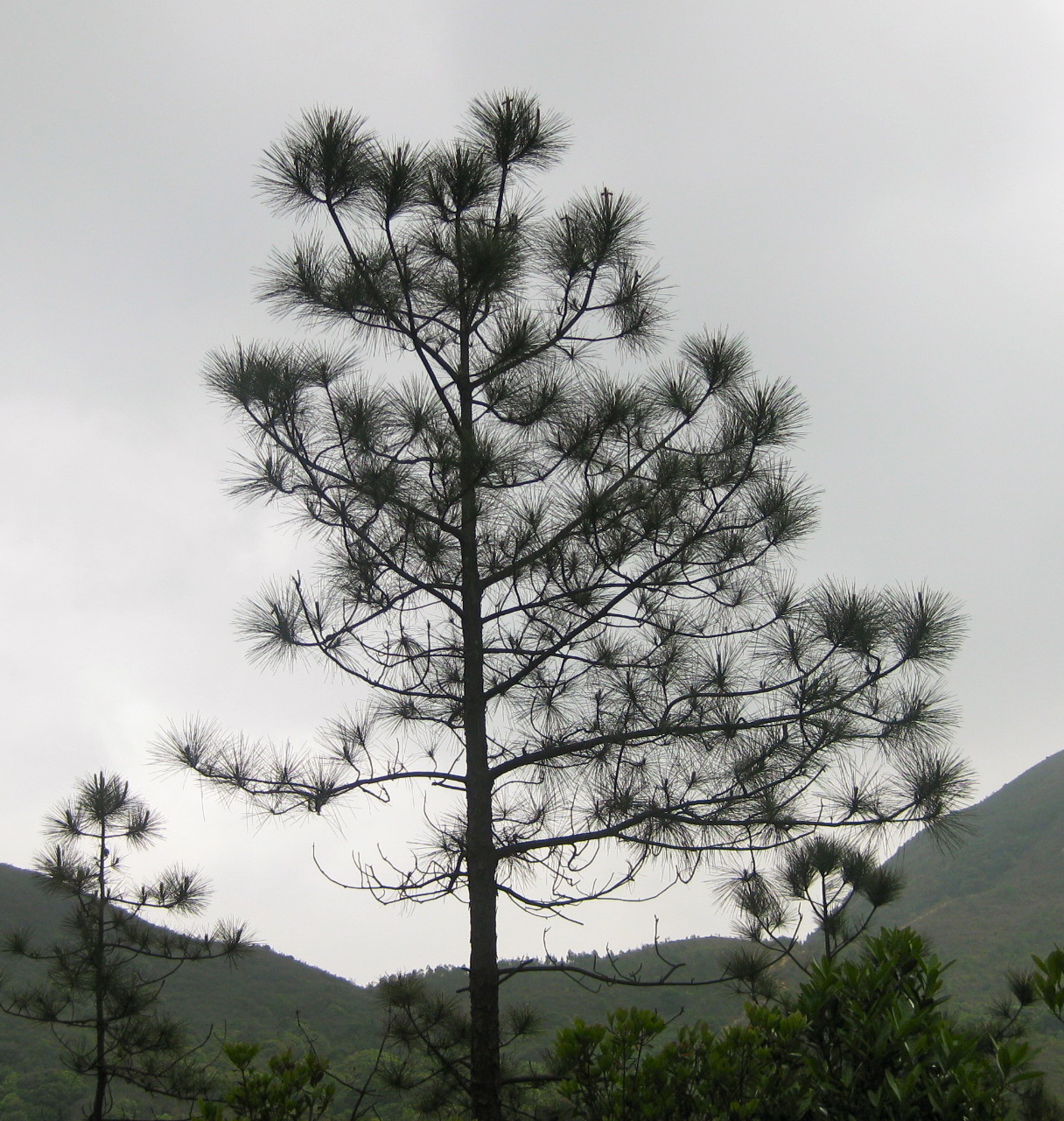
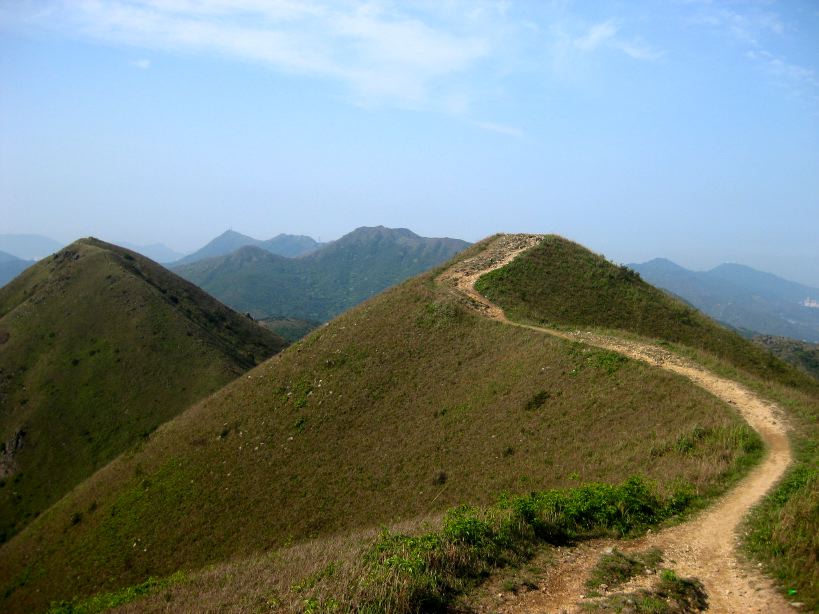
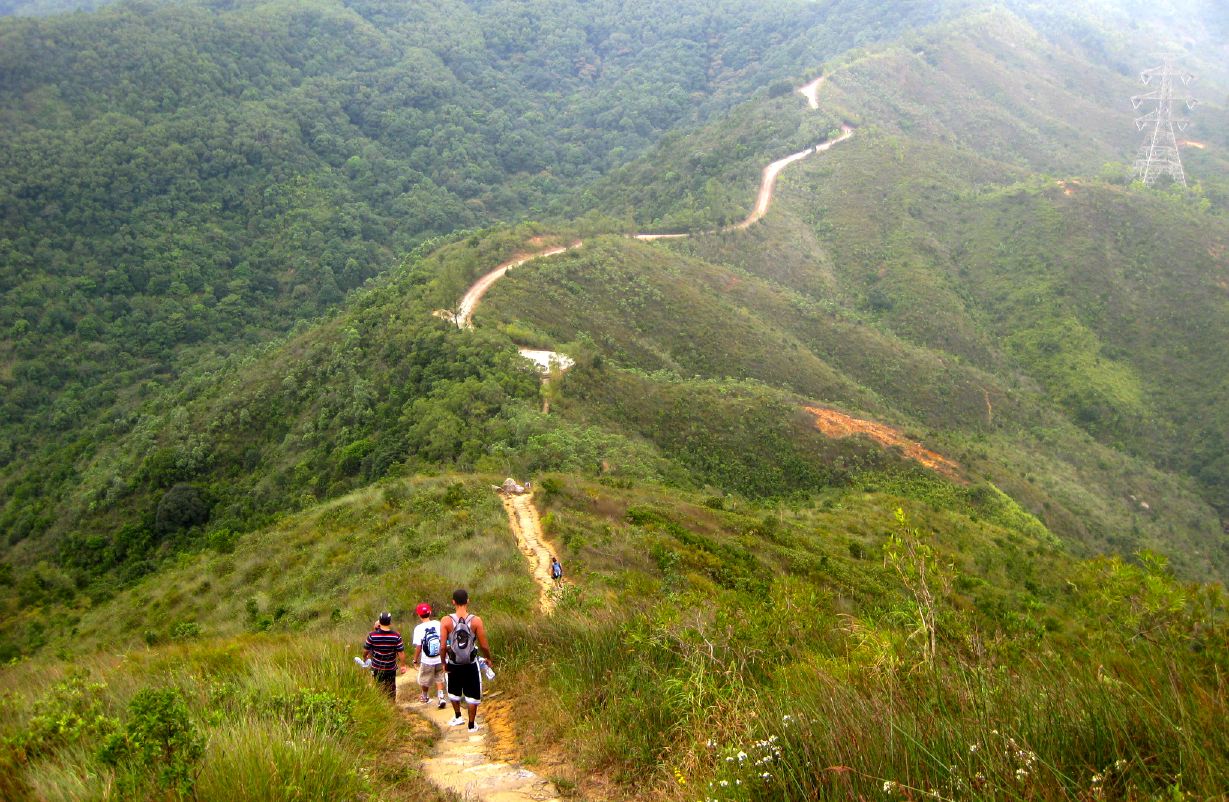
[Photo taken in Hong Kong during MacLehose 6-7 and the ‘Needle Hill’ climb]
Inspiration from traveling…

This is a re-post from March 2010 – Three life lessons from traveling:

Many frequent travelers learn a few ‘tricks of the trade’ and develop certain attitudes that help them deal with the stress of traveling and keep sane. I believe some of these provide useful lessons for life:

  1. Travel light. It’s perhaps the most important advice on traveling. Packing a smaller bag requires planning, discipline and focus on the essentials. It saves time at check-in counters. It’s easier to unpack. Less clutter means better focus, and fewer chances of leaving something behind. You can also move on at short notice. Doesn’t that apply to life too? Whether it’s your desk/desktop, wallet/purse/bag, wardrobe or the house… fewer things mean less clutter, less time wasted on finding stuff, less energy on the maintenance. The same applies to having thousands of ‘friends’ on Facebook, receiving tons of junk mail, maintaining dozens of credit cards… the list goes on. Less is more; lighter the better; quality over quantity.
  2. Be prepared for surprises. You learn during traveling that everything is not in your control, and things don’t always go as planned. Flights can be delayed or cancelled; your special meal onboard is often mixed up; bags don’t always make the connection; hotels can be over-booked; Internet doesn’t always work… And it’s not because the world is conspiring against you and everyone is out to get you. You can accept these situations with calm or fight and argue and get upset. I often remind upset fellow passengers: There are usually three reasons for a flight to be delayed: there’s something wrong with the plane, or the pilot, or the weather. And I am glad they have found out while we are still on the ground. The same applies to life. Despite great intentions and excellent planning, things do go wrong. And we have to learn to distinguish between situations (that can’t be changed) and problems (that can be solved). Unfortunately, so many people waste so much of their time and energy fighting with situations.
  3. Enjoy the moment. Just like the unpleasant surprises, Continue reading

Steve Jobs: How to live before you die

Check out Mush’s photosvideos and Facebook page

5 inspiring quotes by Steve Jobs

“We don’t get a chance to do that many things, and every one should be really excellent. Life is brief, and then you die, you know? And we’ve all chosen to do this with our lives. So it better be damn good. It better be worth it.” (Fortune)

“Do you want to spend the rest of your life selling sugared water or do you want a chance to change the world?” (Macstories.net)

“You can’t connect the dots looking forward; you can only connect them looking backwards. So you have to trust that the dots will somehow connect in your future. You have to trust in something – your gut, destiny, life, karma, whatever. This approach has never let me down, and it has made all the difference in my life.” (Stanford University commencement address, June 2005)

“Being the richest man in the cemetery doesn’t matter to me. Going to bed at night saying we’ve done something wonderful … that’s what matters to me.” (Wall Street Journal 1993, shared by UK Guardian)

“Here’s to the crazy ones, the misfits, the rebels, the troublemakers, the round pegs in the square hole; the ones who see things differently; they’re not fond of rules. You can quote them, disagree with them, glorify or vilify them, but the only thing you can’t do is ignore them because they change things… they push the human race forward, and while some may see them as the crazy ones, we see genius, because the ones who are crazy enough to think that they can change the world, are the ones who do.” (Think Different, narrated by Steve Jobs)

Check out Mush’s photosvideos and Facebook page

4 reasons why we don’t achieve our goals

[A repost from Sep 2010] I have wondered about these questions for many years: Why most people can’t fulfill their dreams? Why most goals are not achieved? Why most plans don’t work out? Why so much action doesn’t produce the desired results?

Working with thousands of salespeople and sales managers for over 20 years, I have learnt that there are only four reasons. Whether it’s about your career, health, money, relationships or any other goals that we fall short of, it is because:

  1. We don’t really want it. Whatever ‘it’ is that we are after. Are we having sleepless nights thinking and planning for it? What if we don’t get it? Will we settle without it? Do we have a specific time frame in mind? These questions can help us determine if we really want something badly enough. Otherwise, it’s not even a goal – just one of those wishes which may or may not be fulfilled. And we will be OK either way.
  2. We don’t believe it’s possible. It’s an inner voice that tells us, we can’t do it. ‘I can never lose so much weight.’ ‘I don’t think I am made for this.’ ‘It’s just not worth it.’ We believe we don’t have what it takes – the talent or opportunity or whatever.
  3. We don’t know how. We don’t have the knowledge or the skills required to achieve the goal, and worse still, we don’t even know that. Like the salesperson who doesn’t put in the time and effort to learn the product or the skills. Or like someone who spends an hour working out every day without knowing the basics of fitness or nutrition.
  4. We aren’t willing to pay the price. In other words, we don’t take any action towards our goal. We get lazy; we procrastinate. As someone said, ‘If you are only interested, you will do what’s convenient. If you are committed, you will do whatever it takes!’

Do you know of any other reasons? Knowing what’s holding us back is a big first step towards achievement of our goals.

[Photo taken recently of a seagull searching for fish]

Two main reasons we procrastinate…

I had been putting off writing this piece for two days. Procrastination is a very strange phenomenon. We know something must be done now, but we delay it. It can be a phone call to mom, an email to a customer, a report to the boss, getting up on time, making an important decision, ending a bad habit, starting a good one, saying some nice words, apologizing for a mistake, it can be small tasks or big projects… but we often delay it despite expecting to be worse off due to the delay. We know that procrastination can cost us money, health, relationships, productivity or social disapproval for not meeting responsibilities or commitments… but we procrastinate. Procrastination is not always inaction. Very often, we get busy with less important or less urgent tasks to avoid the high-priority actions. Few reasons why we procrastinate, and some ideas on what to do about it:

  1. Lack of passion. Sometimes the important and urgent task is too boring. I can’t get passionate about sorting through the physical mail, paying the bills (though online), filing the receipts and so on. So here’s what I did. Firstly, I scheduled this task for Sunday mornings, so the pile of envelopes doesn’t bother me all week. Secondly, I systematically unsubscribed from many mailing lists. That required some time over the phone and some emails, but it was worthwhile. I also put as many bills as possible on auto-pay. Now I have a much smaller pile to deal with every Sunday morning. The idea is to get rid of, or minimize the unpleasant tasks in your life. Sometimes you can trade boring tasks with colleagues or members of the family. I’ll do your Powerpoint presentation; you do my Excel report. I’ll edit the photos; you do the filing. At home, I take care of all IT stuff; Salma looks after mechanical issues. I am responsible for all issues with schools and education; she looks after all the shopping and food. I do the paper work; she checks credit card statements…and so on.
  2. Lack of skill. Very often, we put things off because we are not good at them, or we just don’t know how to do them. The obvious way to deal with this is to learn. I knew somebody who dreaded the monthly reports because she wasn’t good at Excel. She used to make mistakes and feel stressed. So obviously, she would put it off until the very last minute, which would make it even worse. Until one day, she figured she had to learn it and get good at it. Once the stress of making mistakes and the fear of failure was gone, the task wasn’t as dreadful and the procrastination was also gone. Why do you think most salespeople procrastinate calling up the upset customer, or delay in resolving any conflicts, or put off the diet plan – because they are not good at these things and there’s a fear of failure.

Happy to add a very useful guide on beating procrastination by a fellow blogger. It’s very detailed, comprehensive and full of useful tips.

[A recent photo of sunset through a window – one of those things that can’t wait.]

The good news – by Thich Nhat Hanh

An excerpt from Call Me by My True Names by the modern Buddhist poet, Thich Nhat Hanh:

They don’t publish the good news.
The good news is published by us.
We have a special edition every moment, and we need you to read it.
The good news is that you are alive, and the linden tree is still there, standing firm in the harsh Winter.
The good news is that you have wonderful eyes to touch the blue sky.
The good news is that your child is there before you, and your arms are available: hugging is possible.
They only print what is wrong.
Look at each of our special editions.
We always offer the things that are not wrong.
We want you to benefit from them and help protect them.
The dandelion is there by the sidewalk, smiling its wondrous smile, singing the song of eternity.
Listen! You have ears that can hear it. Bow your head. Listen to it.
Leave behind the world of sorrow and preoccupation and get free.
The latest good news is that you can do it.

[Photo by yours truly. Do you have any good news to share?]

10 health benefits of fasting

The 2009 article on health benefits of fasting, continues to be one of the most popular posts on this blog with almost 5,000 views. And most of these come through Google search, suggesting there’s a lot of interest in the subject. Here is a slightly edited version:

Fasting is the act of willingly abstaining from some or all food, drink, or both, for a period of time. Almost every expert in medicine, heath and nutrition has written something about the benefits of fasting. Here’s a summary:

  • Fasting promotes detoxification. As the body breaks down its fat reserves, it mobilizes and eliminates stored toxins.
  • Fasting gives the digestive system a much-needed rest. After fasting, both digestion and elimination are invigorated.
  • Fasting promotes the resolution of inflammatory processes, such as in rheumatoid arthritis.
  • Fasting quiets allergic reactions, including asthma and hay fever.
  • Fasting promotes the drying up of abnormal fluid accumulations, such as edema in the ankles and legs, and swelling in the abdomen.
  • Fasting corrects high blood pressure without drugs. Fasting will normalize blood pressure in the vast majority of cases.
  • Fasting makes it easy to overcome bad habits and addictions. Fasting rapidly dissipates the craving for nicotine, alcohol, caffeine and other drugs.
  • Fasting clears the skin and whitens the eyes. It is common to see skin eruptions clear while fasting, and the whites of the eyes never look so bright as they do after fasting.
  • Fasting restores taste appreciation for wholesome natural foods. People say that their taste buds come alive after fasting and that food never tasted so good.
  • Fasting initiates rapid weight loss with little or no hunger. Most people are surprised at how little desire for food they have while fasting.

Besides the above health benefits, fasting is also an excellent training in self discipline and will power. Successful fasting for a period of time can provide motivation to carry on a healthy diet. Will you try it?

[Millions of Muslims around the world are starting their fasting month, called Ramadhan. We would abstain from all food and drinks from dawn to dusk every day for thirty days! Many break their fast with dates.]

The power of commitment

“When you are interested, you do what’s convenient. When you are committed, you do whatever it takes.” 

This post is inspired by someone I met today in Colombo. When he decided to move back to Sri Lanka from the Middle East 15 years ago, his wife wasn’t too happy with the decision. She loved Dubai too much. This man promised his wife that he’ll bring her to Dubai for at least ten days every year. And he hasn’t missed a year since. He told me it was difficult at times to take the ten days off because of work pressure, or other priorities, ‘but a promise is a promise’. 

How often do we sabotage our relationships, health, productivity, talent, dreams… by not fulfilling the commitments that we make to ourselves or others. Whether big or small, every broken promise adds up to create an unhappy situation. Some of the most commonly broken promises I can think of:

  • To our loved ones: I’ll call you back in a minute. I’ll do it during the weekend. I’ll be there for the… (birthday party or the game or the parent-teacher meeting). We’ll take a vacation this year.
  • To our kids: We’ll read it tonight. Yes, I’ll help with your math. I’ll fix it tomorrow. We’ll go there during the weekend.
  • At work: I am working on it. I’ll email you today. I’ll clean up my desk. I’ll call you back. I’ll learn the new… (skill, system, program, equipment) soon.
  • To ourselves: I’ll start exercising. I’ll read that book. I’ll eat healthy. I’m off desserts. I quit coffee. I’ll wake up earlier. I’ll clean up. I’ll volunteer. I’ll start saving.

And I am as guilty as anybody else. Let’s promise to keep our promises. And commit to fulfill our commitments.

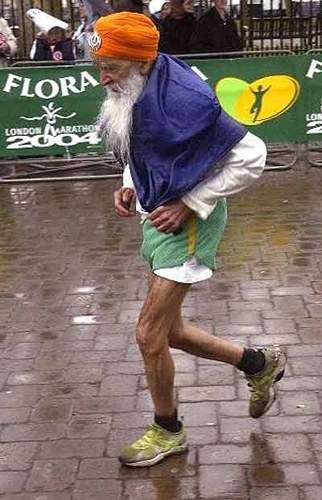
[Photo of Fauja Singh, the 100-year old runner. See the story here]

Check out Mush’s photosvideos and Facebook page

Five benefits of waking up earlier…

Morning Calm

[A re-post from June 2009] Most people seem to start their day in a rush – rushing to get ready, rushing with the breakfast, rushing to work. These people often spend their entire day in a rush, playing catch-up with the rest of the world. This can be easily avoided by getting up a little earlier. There are many other benefits of getting up early, but I will list the five that have always worked for me:

  1. Gratefulness. It’s difficult to be grateful for the moment when you are getting late for work. But if you don’t have to rush, you can enjoy every moment. And be grateful for being alive today, for the health you have, for the comforts of your home, for the family you have, for the food you eat, for the work you do…
  2. Bonus Hour. Most of us complain of not having enough time for the things we want to do e.g. exercise, reading, or pursuing other interests and ambitions like learning a language, writing a book, starting a blog. The easiest way to achieve these is by giving yourself 30 minutes or an hour of bonus time in the morning.
  3. Quiet Time. There’s something special about the calm of the morning – no sounds from TV, kids, phones or traffic. There’s also less clutter in your mind which allows you to think and concentrate better. Any brain work that takes hours during the day can sometimes be achieved in half the time if done early morning.
  4. Beat the Rush. Your commute time will cut down if you leave home before the rush hour. You’ll spend less time queuing up for elevators. You’ll have to get used to the emptiness – at the gym or pool, on the road, in the train, at the office… everywhere.
  5. Get Ahead. Getting to work half an hour before everybody else gives you time to plan, prioritize and organize. Less distractions of the phone, email and people can allow you to focus better on the most important tasks of the day. You get more done, and leave on time, again beating the rush hour.

Even if you work from home, there’s plenty of reason to start the day before everyone else does. And if you are a housewife, who usually spends the day taking care of others, this could be your time, to do the things just for yourself! Please share your comments and tips.

[Check out Mush’s photos, videos and Facebook page]

Inspiring quotes about Change

“If there’s no difference between your tomorrow and today, you are as good as dead.” (Imam Ali AS)

“Be the change you want to see in the world.” (Mahatma Gandhi)

“God, grant me the serenity to accept the things I cannot change, the courage to change the things I can, and the wisdom to know the difference.” (Reinhold Niebuhr)

“Nobody can go back and start a new beginning, but anyone can start today and make a new ending.” (Maria Robinson)

“For everything you have missed, you have gained something else, and for everything you gain, you lose something else.” (Ralph Waldo Emerson)

“Growth mean change and change involves risk, stepping from the known to the unknown.”

“When you are finished changing, you are finished.” (Benjamin Franklin)

“When we least expect it, life sets us a challenge to test our courage and the willingness to change. At such a moment, there’s no point in pretending that nothing has happened or in saying that we are not ready.” (Paolo Coelho)

“Life is too short to try and change others.” (yours truly)

[Photo of Danxia Peaks in ShaoGuan, China – taken yesterday]

Ron Gutman: The hidden power of smiling

Ron Gutman reviews a raft of studies about smiling, and reveals some surprising results. Did you know your smile can be a predictor of how long you’ll live – and that a simple smile has a measurable effect on your overall well-being? Prepare to flex a few facial muscles as you learn more about this evolutionarily contagious behavior.

3 great benefits of summer!

There’s something good in every person, place and situation. So it is with summer. We can complain about the heat and sweat or remind ourselves of all the goodness that every weather brings. Few benefits of summer that I can think of:

  1. Detox through sweating. Our skin plays a major role in the detoxification alongside the lungs, kidneys, bowels, liver and the immune system. Sweat carries toxins out of the body and flushes them through the pores. Sweating also helps to regulate body’s temperature. Sweating is a natural sauna!
  2. Free Vitamin D. Vitamin D is essential for healthy immune system, is a potent anti-inflamatory, helps regulate blood sugar levels, helps lower blood pressure… and many more benefits are still being discovered. People would pay any price to get this vitamin, but you can get it free from the sun!
  3. More time outdoors. Summer provides an excellent opportunity to switch off the TV, computer and spend more time outdoors. Whether it’s hiking or cycling in the countryside, swimming in the pool or at a beach, walking barefoot in a lawn or at a beach… summer is a great time to enjoy the outdoors with family and friends!

What other benefits can you think of? Please share through comments.

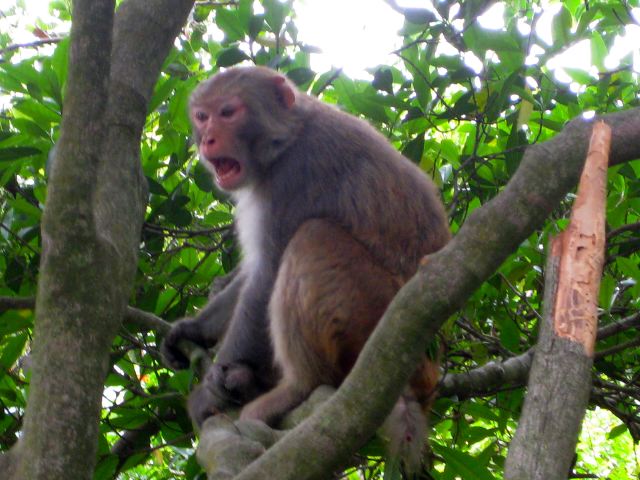
[Photo of a monkey we spotted during the MacLehose stage 5 in Hong Kong a couple of day ago.]

If you could live your life again…

I turned 46 this month. And this birthday, I asked myself a few questions:

  1. If I could start over, what would I do differently?
  2. What would I not change at all?
  3. What have I learnt?
  4. What do I want to be five years from now, and ten, twenty…?

And I share some of the answers to #1, hoping that the exercise would inspire you as much:

  • I would sleep less, and read more.
  • I would eat less, and work out more.
  • I would complain less, and compliment more.
  • I would spend fewer weekends at work, and more at home.
  • I would spend more time alone with the one I love.
  • I would read more with my kids when they were young.
  • I would talk/listen to my parents more often.
  • I would watch less TV and fewer movies.
  • I would spend less on things, and more on experiences.
  • I would save more for travel; I would see more of this world.
  • I would start a foundation to educate the poor, or support such foundations.
  • I would write a diary of things I learnt.
  • I would learn languages, cooking, playing a flute, rock climbing…
  • I would stay in touch with more friends and more family members.
  • I would plan less, act more.
  • I would worry less, breathe more, pray more.
I realized that while I can’t go back in time, I can still make many of these changes today. I can’t change the past but I can change my today, and tomorrow. I have started on the list, and it feels great!
What would you like to do differently with your life?
[Photo of the Hunchbacks taken yesterday during the stage 4 of MacLehose Trail in Hong Kong]

37 things we take for granted, every day!

‘Take for granted’ in the sense that we don’t notice, acknowledge, enjoy these things fully, and even complain about sometimes…

  1. Waking up alive in the morning – thousands die every day
  2. Seeing everyone else in the family also waking up alive and safe – no disasters
  3. Having running water for brushing, shave and shower – millions in the world don’t
  4. Having a choice of hot or cold or warm water for shower
  5. Wearing nice clothes, with lots of choices and matching shoes and bag and jewelry
  6. Eating breakfast and other meals – millions are starving to death
  7. A job to go to – how many are jobless in your city/country?
  8. A car, or other means of transport that allows you to get to work on time
  9. Traffic that keeps moving
  10. Weather that’s live-able – would you rather be at the poles or Sahara?
  11. People trusting you with their problems at work
  12. Appliances and technology that (seem to) make life easier – imagine life without a microwave, washing machine, mobile phone, computer…
  13. Stable electricity – many places have daily power cuts
  14. Getting paid on time
  15. Our ability to see, hear, taste, touch, read, write, think, walk, talk, work, pray, love…
  16. Our education, knowledge, skills, experience, values…
  17. Having a home with furnishing and comforts
  18. Someone waiting for you at home, someone to wait for
  19. Someone that loves you, someone you love
  20. Kids – so what if they are not like us
  21. Friends, and people who care about you, people you care about
  22. Home-cooked meal
  23. Enough clothes to change a couple of times within a day
  24. The air we breathe, water we drink, the variety of food we eat
  25. Money in the pocket, money in the bank, credit cards – millions live under $1 per day
  26. Newspapers, magazines and books to read
  27. TV with 100 channels, and movies to watch
  28. Games to play
  29. Clubhouse or gym to workout
  30. Parents – they are the reason for our being
  31. Good health and fitness – thousands of hospitals in the world full of millions of sick
  32. Functioning government
  33. Good school for kids
  34. Weekends, public holidays
  35. Faith, religion, beliefs and values
  36. Nice bed to sleep in, pillows, blankets, reading lamp, alarm clock…
  37. Trees, flowers, sunrise, sunset, stars, moon, sea, mountain, rivers, breeze…

How different would our days (and therefore life) be if we noticed, acknowledged, enjoyed and were grateful for even half the things we take for granted every day? Would we be happier, more cheerful and have more enthusiasm? Would we complain less? You bet.

Right now, I am grateful for the long battery life on my mac, the comfortable sofa, the cushion on my lap absorbing the heat from the notebook, the lamp, the cool breeze from the window, the family sleeping quietly, the calm of the morning (4 AM), WordPress, Facebook, people who ask me when they don’t see a new post on my blog… a fridge full of stuff, mostly healthy!

Please share through comments (here or on my Facebook page) what else we usually take for granted, every day. Thanks for reading and sharing.

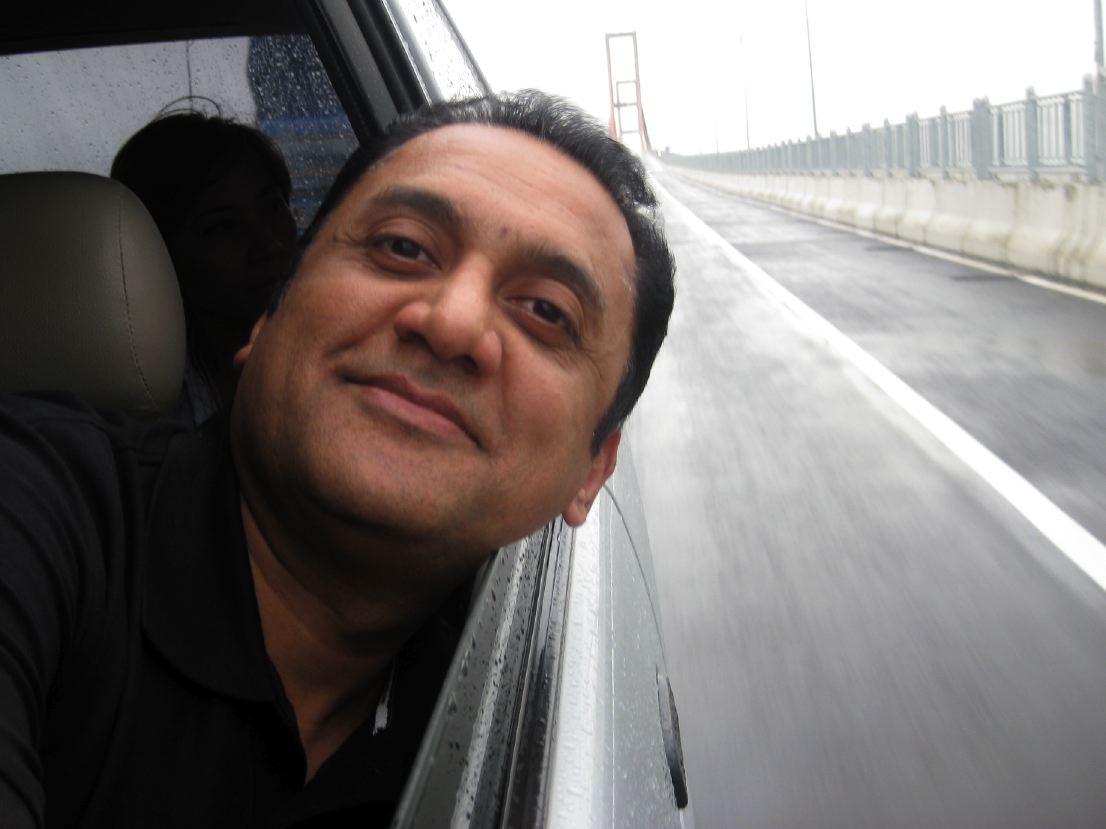
[Self photography during a beautiful drive in Surabaya yesterday, feeling the rain and breeze]

Live your dash

[Repost from April 2009] This poem continues to be one of the most inspiring pieces for over ten years. It’s been published in many forms. Here’s part of it:

I read of a man who stood to speak
at the funeral of a friend.
He referred to the dates on her tombstone
from the beginning…to the end.

He noted that first came the date of her birth
and spoke of the following date with tears,
but he said what mattered most of all
was the dash between those years.

For that dash represents all the time
that she spent alive on earth…
and now only those who loved her
know what that little line is worth.

For it matters not, how much we own;
the cars….the house…the cash.
What matters is how we live and love
and how we spend our dash.

Read the full poem here. And watch a short movie here.


Virtuous until proven otherwise

Richard Stengel writes in Mandela’s Way, the biography of Nelson Mandela:

“Some call it a blind spot, other naivete, but Mandela sees almost everyone as virtuous until proven otherwise. He starts with an assumption that you are dealing with him in good faith. He believes that, just as pretending to be brave can lead to acts of real bravery, seeing the good in other people improves the chances that they will reveal their better selves.”

My humble additions:

  • People are mostly good, honest and helpful – regardless of their origin, religion or race.
  • There’s some good and bad in every person, place and situation. We can choose to focus on the good or the bad.
  • We don’t have to smile only when we are happy. Smiling makes us happy.
  • We don’t have to wait for motivation before we act. Action brings motivation.
  • We don’t have to see evidence/results before we believe. Belief produces results.

What do you think? Please share your thoughts through comments.

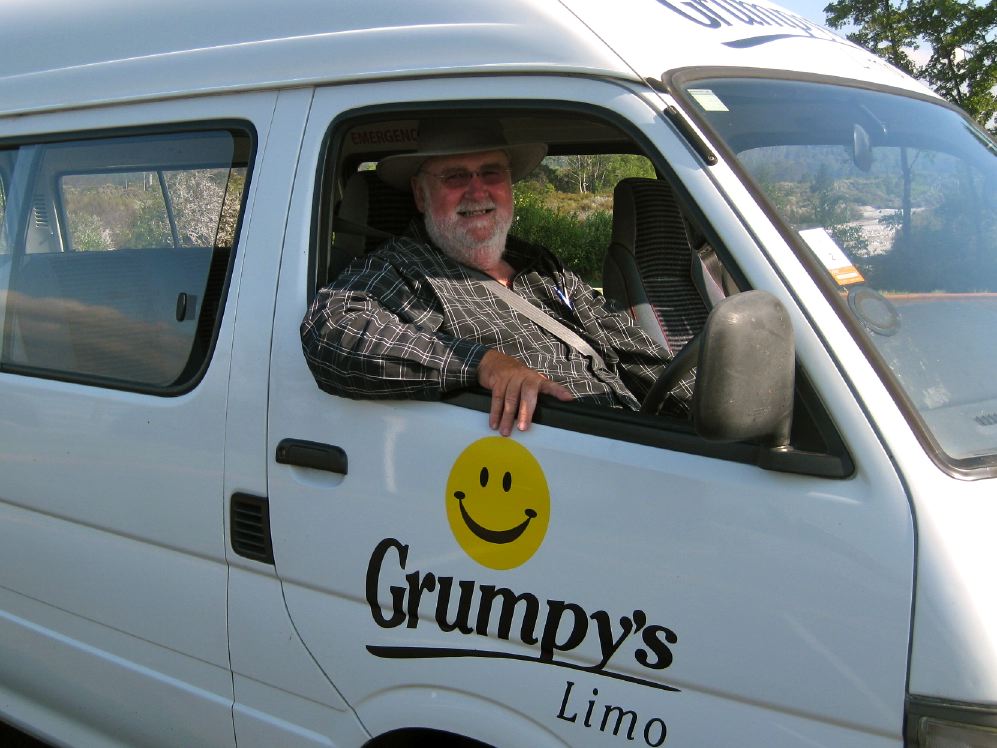
[Photo of a friend, tour guide, driver and mentor-for-the-day in Rotorua NZ. More photos here.]

Trick your brain into happiness

It’s not often that I get a forwarded email with good content. This came from a friend yesterday, without the name of the author or the source. And I am copying it as is, because I believe this is true. I have been practicing and preaching this concept for many years. Try it…

Did you know that you can actually “trick” your brain into thinking you’re happy? Dr. David Lykken, Professor Emeritus of Psychology at theUniversity of Minnesota says, “Emotions are a combination of internal feelings and physical responses that provide feedback to your brain.” In effect, you can consciously initiate or provide the mental and physical conditions that your brain will naturally translate into feelings and emotions — you basically have the power to influence your mood. Try it for yourself.

Smile even when you don’t feel like it. You’ll think it’s silly but studies have shown that people who force themselves to smile eventually develop a more positive attitude towards challenges and setbacks. Smile the moment you wake up. Smile as you put yourself to sleep. Smile at everyone you meet.

Laugh at the pettiest things. Get some air into those lungs! More oxygen, more energy, brighter day! Ten minutes of laughter a day –- that’s all you need to ensure a life of contentment. You’ll be surprised that in Asia, some companies have employed a daily “laughter break”. Employees have to walk to a park, form a circle, and force themselves to laugh non-stop for 15 minutes. Company executives swear that this relaxation break has caused worker enthusiasm and productivity to soar!

Stand tall and walk fast. Remember your teacher in second grade? She tapped you with a ruler, screaming, “No slouching! Chin up! Walk tall!” You had no idea that she wasn’t just insisting on good posture, she was also making sure you developed a bright and confident outlook in life!

Stretch – better yet, exercise! Don’t “think” about your workout, just do it! If you pause, to think about the sweat, the pain, the monotony and the time, you’ll find one excuse or other not to do it. So, don’t rationalize. Just get up and do it. You know that at the end of the workout, you’ll feel good you did it. And if you’re not exactly the workout kind, try dancing!

Think only positive thoughts, speak only positive words. Every time you start to think or say something negative, stop. Change your sentences into the positive. Pessimists complain about their problems; optimists think of solutions. Advise, rather than criticize. Encourage, inspire, motivate –- yourself and others. Pick up a lesson, rather than blame. And always count your blessings.

These are just a few of the many ways you can jumpstart an overall feeling of happiness and contentment. Remember that your emotions are dictated by your perception of the world around you. And your reactions are a product of choice — you can “choose” to be happy, angry or sad. As Ecrivain Lesage wrote in “Histoire de Gil Blas” in 1735, “I am happy and content because I think I am.”

[Photo from the window seat while flying from Dubai to Colombo]

Click here to go to Mush’s Page on Facebook

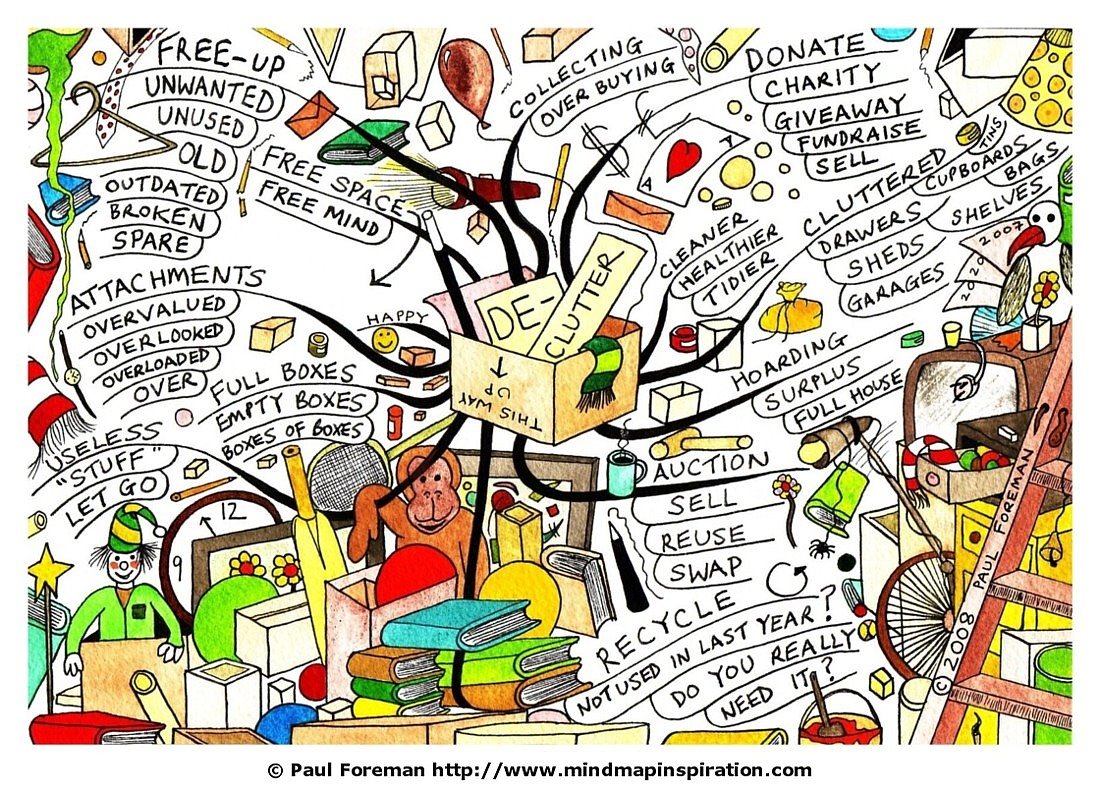
Clutter is Procrastination

An excellent post by Leo in Mnmlist.com – one of my favorite blogs:

When our houses or offices get piled with clutter, much of the reason is procrastination.

We all procrastinate — let’s just get that out in the open. There’s not a one of us who doesn’t, to some degree. But while our tasks and projects can pile up, giving us some anxiety, the clutter is a visual sign of that procrastination, and carries with it just as much anxiety.

When we put down an object, a piece of paper, an article of clothing, a stack of mail … and we leave it there, undealt with, saying that we’ll put it away or deal with it later … that’s procrastination.

Unfortunately, this piles up, accumulates over time, and then we’re stuck with a mountain of clutter that’s too overwhelming to deal with. You’ll need to deal with that mountain. I’ve shown you some methods. Get it down to minimal, and enjoy that.

But once you’ve dealt with the mountain, you need to stop it from happening again. That’s where beating your procrastination habits becomes so important. When you’re going to put something down, deal with it right now. It only takes a few seconds.

How long does it take to put dirty clothes in the hamper, or hang up a shirt that’s still clean? Like 15 seconds. How long does it take to sort through some mail, opening the envelopes right there, setting aside a few bills to be paid, filing a couple things, tossing the rest? Three minutes. How long does it take to put a book or magazine away? To put a piece of paper in the right file, or toss it? Seconds.

When you deal with things in tiny little bits like this, before they build up, it’s easy. Deal with them while they’re easy so you don’t have to deal with them when they’re hard.

Also read: 7 Tips For a Clean Desk and 4 D’s of Time Management

See Mush’s Page on Facebook