Free ebook: 47 Tips for Enhancing Life

Today (April 12) I turn 47 years old. It amazes me that I’ve been around that long. I feel like I’ve barely begun. As always, it’s an opportunity to reflect on what I’ve achieved, what I’ve learnt, and where do I want to be in five or ten years from now.

Through this photo book, I am sharing 47 tips on happiness, health, relationships and productivity – all of which can enhance life. The photos used in the book are from my personal collection. You can download the book by clicking on the book cover, or from this link. If you find this useful, please share with others too. I will consider that your birthday gift to me.

7 Reasons Why New Year Resolutions Don’t Work

A new day in Africa! (Sunrise at Hoedspruit, December 2011)

Most of the research suggests that majority of the people do not stick to their resolutions beyond a couple of weeks or months, if at all. And most of the goals established before the New Year end up way short of achievement. Having spent almost 30 years doing resolutions (a few times every year) and working with thousands of salespeople and managers who established annual goals, here’s what I think causes any New Year resolution to fail:

  1. Too casual. Some people come up with resolutions for the sake of resolutions, without giving serious consideration to what they really want.
  2. Not committed enough. Any resolution without total commitment is as good as a dream.
  3. Not specific enough. ‘I’ll lose weight’, ‘I’ll save money’, ‘I’ll travel’ are all examples of non-specific resolutions.
  4. No deadlines. Open-ended resolutions like ‘I’ll quit smoking’ are like any other promise without a time frame that we can easily postpone.
  5. No planning. A resolution without a plan is like a destination without a road map – without knowing how to get there.
  6. No follow-up. Milestones and checkpoints are critical in any journey. Resolutions that are not reviewed periodically often come to haunt us at the end of the year.
  7. No action. You know where you want to go, and how to get there, but you can’t there unless you start moving. Lack of action, laziness, and procrastination are often signs of lack of commitment.

If your resolutions haven’t worked well for you in the past, it’s likely because of one of the above reasons. This year, come up with fewer resolutions but make sure they are very specific, backed up with a full plan of action and have your total commitment. Then take the necessary action with perseverance, and review results often. In short, you need to know what you really want, by when and how… then act now!

Related reading:

10 health benefits of fasting

The 2009 article on health benefits of fasting, continues to be one of the most popular posts on this blog with almost 5,000 views. And most of these come through Google search, suggesting there’s a lot of interest in the subject. Here is a slightly edited version:

Fasting is the act of willingly abstaining from some or all food, drink, or both, for a period of time. Almost every expert in medicine, heath and nutrition has written something about the benefits of fasting. Here’s a summary:

  • Fasting promotes detoxification. As the body breaks down its fat reserves, it mobilizes and eliminates stored toxins.
  • Fasting gives the digestive system a much-needed rest. After fasting, both digestion and elimination are invigorated.
  • Fasting promotes the resolution of inflammatory processes, such as in rheumatoid arthritis.
  • Fasting quiets allergic reactions, including asthma and hay fever.
  • Fasting promotes the drying up of abnormal fluid accumulations, such as edema in the ankles and legs, and swelling in the abdomen.
  • Fasting corrects high blood pressure without drugs. Fasting will normalize blood pressure in the vast majority of cases.
  • Fasting makes it easy to overcome bad habits and addictions. Fasting rapidly dissipates the craving for nicotine, alcohol, caffeine and other drugs.
  • Fasting clears the skin and whitens the eyes. It is common to see skin eruptions clear while fasting, and the whites of the eyes never look so bright as they do after fasting.
  • Fasting restores taste appreciation for wholesome natural foods. People say that their taste buds come alive after fasting and that food never tasted so good.
  • Fasting initiates rapid weight loss with little or no hunger. Most people are surprised at how little desire for food they have while fasting.

Besides the above health benefits, fasting is also an excellent training in self discipline and will power. Successful fasting for a period of time can provide motivation to carry on a healthy diet. Will you try it?

[Millions of Muslims around the world are starting their fasting month, called Ramadhan. We would abstain from all food and drinks from dawn to dusk every day for thirty days! Many break their fast with dates.]

The power of commitment

“When you are interested, you do what’s convenient. When you are committed, you do whatever it takes.” 

This post is inspired by someone I met today in Colombo. When he decided to move back to Sri Lanka from the Middle East 15 years ago, his wife wasn’t too happy with the decision. She loved Dubai too much. This man promised his wife that he’ll bring her to Dubai for at least ten days every year. And he hasn’t missed a year since. He told me it was difficult at times to take the ten days off because of work pressure, or other priorities, ‘but a promise is a promise’. 

How often do we sabotage our relationships, health, productivity, talent, dreams… by not fulfilling the commitments that we make to ourselves or others. Whether big or small, every broken promise adds up to create an unhappy situation. Some of the most commonly broken promises I can think of:

  • To our loved ones: I’ll call you back in a minute. I’ll do it during the weekend. I’ll be there for the… (birthday party or the game or the parent-teacher meeting). We’ll take a vacation this year.
  • To our kids: We’ll read it tonight. Yes, I’ll help with your math. I’ll fix it tomorrow. We’ll go there during the weekend.
  • At work: I am working on it. I’ll email you today. I’ll clean up my desk. I’ll call you back. I’ll learn the new… (skill, system, program, equipment) soon.
  • To ourselves: I’ll start exercising. I’ll read that book. I’ll eat healthy. I’m off desserts. I quit coffee. I’ll wake up earlier. I’ll clean up. I’ll volunteer. I’ll start saving.

And I am as guilty as anybody else. Let’s promise to keep our promises. And commit to fulfill our commitments.

[Photo of Fauja Singh, the 100-year old runner. See the story here]

Check out Mush’s photosvideos and Facebook page

3 great benefits of summer!

There’s something good in every person, place and situation. So it is with summer. We can complain about the heat and sweat or remind ourselves of all the goodness that every weather brings. Few benefits of summer that I can think of:

  1. Detox through sweating. Our skin plays a major role in the detoxification alongside the lungs, kidneys, bowels, liver and the immune system. Sweat carries toxins out of the body and flushes them through the pores. Sweating also helps to regulate body’s temperature. Sweating is a natural sauna!
  2. Free Vitamin D. Vitamin D is essential for healthy immune system, is a potent anti-inflamatory, helps regulate blood sugar levels, helps lower blood pressure… and many more benefits are still being discovered. People would pay any price to get this vitamin, but you can get it free from the sun!
  3. More time outdoors. Summer provides an excellent opportunity to switch off the TV, computer and spend more time outdoors. Whether it’s hiking or cycling in the countryside, swimming in the pool or at a beach, walking barefoot in a lawn or at a beach… summer is a great time to enjoy the outdoors with family and friends!

What other benefits can you think of? Please share through comments.

[Photo of a monkey we spotted during the MacLehose stage 5 in Hong Kong a couple of day ago.]

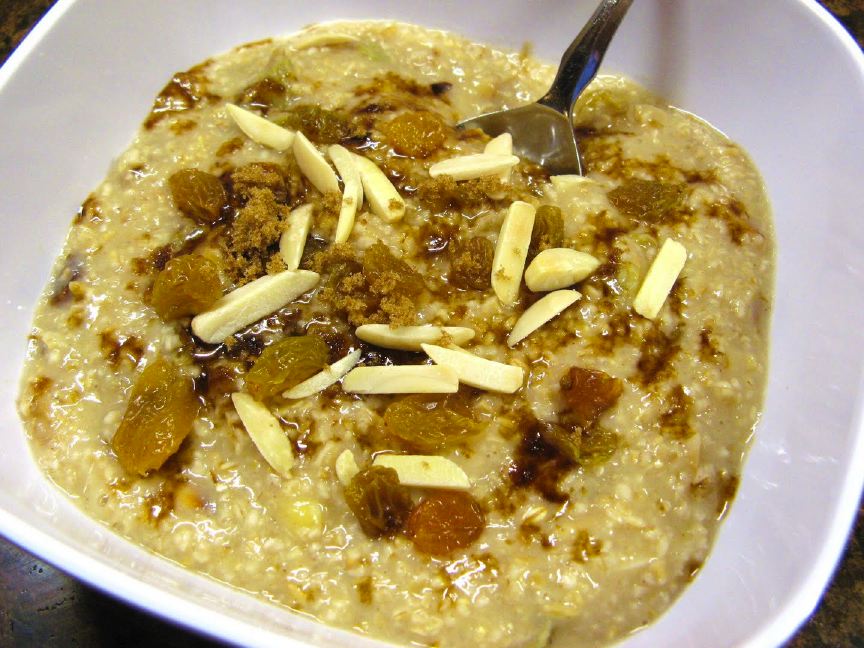
One of the healthiest, tastiest and quickest breakfasts: Oatmeal!

My weekday breakfast is a big glass of juice made of two apples, two oranges and two carrots. On weekends, I like to try different things. And I may have found the perfect breakfast – quick and easy to make, extremely healthy and even tasty. It’s the good old oatmeal! Here are six good reasons to eat more oats:

  1. Oats contain a wide array of vitamins, minerals and antioxidants, and is a good source of protein, complex carbohydrate and iron. The fats in oats are mostly natural and healthy.
  2. Oats contain more soluble fiber than any other grain, so the body turns it into a kind of thick gel, which moves very slowly through your body. So your stomach stays fuller longer.
  3. Oats slow the absorption of glucose into the body, which may be why American Diabetes Association recommends that people with diabetes eat grains like oats.
  4. Oats also have anti-inflamatory properties, and have been shown to heal dry and itchy skin.
  5. Over 40 studies show that eating oats may help lower cholesterol and reduce the risk of heart disease.
  6. Oats are 100% natural. Unlike most other cereals, the ingredients on a box of oats only has one item: oats.

Here’s how you can make a bowl of oatmeal in less than ten minutes: Boil two cups of water, add four tablespoons of oats. After few minutes, add some milk (skimmed or fat), then pour into a big bowl. Add chopped nuts of your choice – almonds, walnuts, pistachio – to make it crunchy, then some dried fruits like raisins or dates. Add some honey (or brown sugar) to make it sweet. And now savor it warm or cold.

Few other things you can add to your oatmeal, to create different tastes: fresh fruits like banana, frozen fruits like berries, shredded coconut, cinnamon, yogurt, jam, fruit preserve… as far as your creativity goes.

[Please share your own ideas for healthy breakfasts through comments. And check out Mush’s Page on Facebook.]

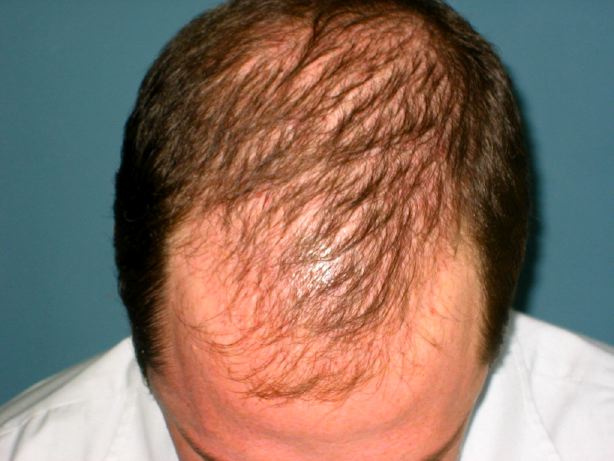
Causes, prevention and treatment of hair loss

I’ve been reading about hair loss, and I came across this very comprehensive ebook: Solving Hair Loss. It has very useful information on the reasons for hair loss and what you can do about it; different hair loss conditions; prevention and lots of practical advice. Here’s a section on Nutrition for Healthier Hair:

  1. Avoid junk food. Steer clear of sugary, fatty foods, which fill you up with calories that have no nutritional value to your body. These empty calories contain nothing your body needs for building and maintaining healthy skin and hair.
  2. Eat high-quality proteins. Since hair is made of keratin protein, a diet deficient in protein will show up in hair thinning and loss. Increase your intake of protein-rich foods such as fish, poultry, eggs, dairy, soy, nuts, grains, beans and seeds.
  3. Get amino acids. There are eight essential amino acids included in “complete proteins” which are necessary on a daily basis. Come complete proteins include fish, poultry, yogurt, cheese, soybeans and eggs.
  4. Consume essential fatty acids. These nutrients are essential to healthy hair and the cellular function necessary for hair growth, but they are not produced within the human body. The daily use of seeds and nuts and the oil from them, such as flax seed oil, on salads and in any dishes that do not require heating will bring the essential omega-6 fatty acids to your diet. Omega-3, the other important fatty acids, are contained in oily fish and walnuts.
  5. Avoid caffeine and carbonated drinks. These empty-calorie drinks actually leach important vitamins and minerals from your body, and also take the place of healthier choices such as water, green tea and fresh fruit juices.
  6. Drink your water. The human body needs about 64 ounces of water (eight 8-ounce glasses) to maintain healthy body systems, including hair growth. After urinating the first time upon waking up, your urine should be colorless and odorless for the rest of the day. If it is a concentrated yellow or has a strong odor, increase your water intake further.
  7. Don’t crash diet. A diet very low in calories (fewer than 600 per day) deprives hair, as well as the rest of your body, of the necessary nutrients for health and growth and will result in breakage and dull hair.

Download the free ebook here, and find more info at Hairloss.com. And please share your own tips through comments. [See Mush’s Page on Facebook]

Happiness, Health and Productivity – best of 2010

Here’s a collection of links to some of the most popular posts on my blog during the last 12 months. I hope you find them useful and consider sharing with friends. These may have some ideas for your New Year Resolutions too:

On Happiness:

On Health and Nutrition:

On Productivity:

Please let me know which ones did you find most useful.

[Photo taken during a hike in Rotorua, NZ – Nov. 2010]

Watching Fish Can Reduce Stress

Studies have shown that gazing at aquarium fish reduces stress and subsequently lowers blood pressure. Even watching a video of fish has been proven to have therapeutic effects.

During our recent holiday in Dubai, we went to see the much-hyped aquarium at the Atlantis. And it was quite an experience! I also recorded a couple of amateur videos to share the beauty of some of the best fish I had ever seen. Here’s one…

See another one here, and let me know what you think.

Be a Weekday Vegetarian

We all know the arguments that being vegetarian is better for the environment, animals and our own health — but in a carnivorous culture, it can be hard to make the change. Graham Hill has a powerful, pragmatic suggestion: Be a weekday vegetarian.

If you like reading this blog, subscribe for email updates. You may connect with Mush on FacebookTwitterFlickr or YouTube.

Help the millions affected by the floods in Pakistan!

What are the Benefits of Fasting?

A repost from last year:

I found enormous amounts of material when I started looking for the health benefits of fasting. It seemed that every expert in medicine, health and fitness had something to say about the benefits of fasting. But the following piece from Dr. Cinque summarizes it all very well:

  1. Fasting promotes detoxification. As the body breaks down its fat reserves, it mobilizes and eliminates stored toxins.
  2. Fasting gives the digestive system a much-needed rest. After fasting, both digestion and elimination are invigorated.
  3. Fasting promotes the resolution of inflammatory processes, such as in rheumatoid arthritis.
  4. Fasting quiets allergic reactions, including asthma and hay fever.
  5. Fasting promotes the drying up of abnormal fluid accumulations, such as edema in the ankles and legs and swelling in the abdomen.
  6. Fasting corrects high blood pressure without drugs. Fasting will normalize blood pressure in the vast majority of cases, the blood pressure will remain low after the fast, if the person follows a health-supporting diet and lifestyle.
  7. Fasting makes it easy to overcome bad habits and addictions. Many people have overcome tobacco and alcohol addictions by fasting, and even drug addictions. Fasting rapidly dissipates the craving for nicotine, alcohol, caffeine and other drugs.
  8. Fasting clears the skin and whitens the eyes. It is common to see skin eruptions clear while fasting, and the whites of the eyes never look so clear and bright as they do after fasting.
  9. Fasting restores taste appreciation for wholesome natural foods. People say that their taste buds come alive after fasting and that food never tasted so good.
  10. Fasting is the perfect gateway to a healthful diet and lifestyle. Going on a fast gives you the motivation and enthusiasm to make a fresh start.
  11. Fasting initiates rapid weight loss with little or no hunger. Most people are surprised at how little desire for food they have while fasting.

Here’s another article on the health benefits of fasting.

Millions of Muslims around the world just started their holy month of fasting, called Ramadhan. For 30 days, they will refrain from eating and drinking from dawn till sunset.

If you like reading this blog, subscribe for email updates. You may connect with Mush on FacebookTwitterFlickr or YouTube.

Does Rice Make You Fat?

Every time I travel to Indonesia, India, Pakistan or Sri Lanka, I notice the amount of rice consumed at every meal. For many, rice is a big part of their breakfast, lunch and dinner. And very often, it’s fried rice and in huge portions – unlike the rice consumed in Japan or Hong Kong where it’s usually steamed rice and limited to a small bowl per meal. And it’s all white rice! I wondered if there’s a connection between the consumption of rice and obesity in these countries. I did some quick reading and research and here are some of the facts:

  • Indonesia and China are amongst the top five consumers of rice with 150kg and 90kg per person per year, respectively. US and France consume only 9kg and 4kg of rice per person per year! World rice consumption has increased 40 percent in the last 30 years, from 62kg per capita to 86kg per capita.
  • Carbohydrates like rice break down as sugar and are stored as fat when not burned as energy. According to WikiAnswers: White rice is a simple carb; it is converted to sugar with very little calorie usage. In itself rice does not make you gain weight. However if you would like to lose weight it is best to stick to whole grains e.g. brown rice and whole wheat bread, these take more processes to get converted into sugar so they use more calories.
  • Brown rice is an excellent source of dietary fibre; one cup provides 14% of the daily value. Consumption of brown rice can reduce high cholesterol and prevent constipation.
  • A Harvard Med study on 74,000 females between the ages of 38-63 suggested that weight was directly related with the consumption of refined grains like white rice. The women who had brown rice in their diets were not only slimmer, but were also 49% less likely to gain weight.

In summary, there are compelling reasons to switch from white rice to brown rice. And obesity, as we all know, is a result of too many calories in and too few out. And eating less, eating natural food and regular exercise are the surest ways of staying healthy and in good shape. Please provide your thoughts and tips through comments.

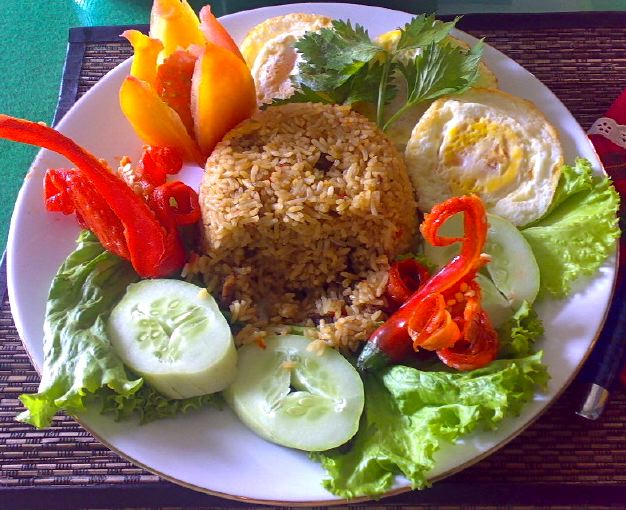
[Photo of Nasi Goreng from Indonesia – white fried rice mixed with meat or vegetable, usually served with a fried egg and some salad]

Connect with Mush on FacebookTwitterFlickr or YouTube. Subscribe for email updates.

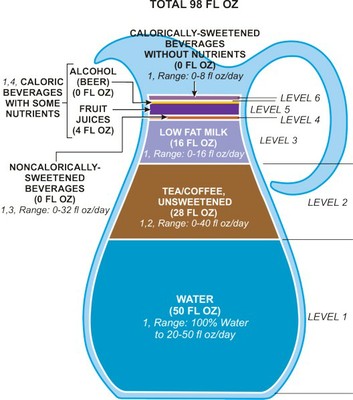
Rethink Your Drink and Hydration Choices

There are few reasons why we should be aware of what we drink, how much we drink, and the caloric contents of what we drink:

  1. While staying hydrated is important for our health, fitness and energy levels, our hydration choices are also critical to our health.
  2. While water may be the healthiest and the best drink, everyone can’t live on just water. Most of us have some tea, coffee, juices and other drinks in our daily routine.
  3. While we pay attention to the calories in our food, it’s important to know the caloric contents of our drinks for any weight management program.

Here’s one of the most comprehensive articles on calories in everyday drinks, nutritional information, types of sugar, and loads of useful suggestions, presented in a very easy-to-read format. Click here to download. And please share your own tips and thoughts through comments.

Connect with Mush on Facebook, Twitter, Flickr or YouTube. Subscribe for email updates.

6 Facts about Mediterranean Diet

[This is a guest post by Eva Alexander who blogs at Mediterranean Diet]

a) Most people say the Mediterranean diet is high in fat. Can people still lose or maintain weight on a Mediterranean diet?

While the Mediterranean diet is high in fat, it is high in the monounsaturated and polyunsaturated healthy fats, in contrast to diets rich in saturated fat. It is not the fat content that will determine weight loss on the Mediterranean diet. People who wish to eat the Mediterranean diet may experience other health benefits but still not lose weight if they do not lower their caloric intake.

b) What makes the Mediterranean diet different from the common American diet?

Americans consume high amounts of red meat, poultry, eggs, and dairy, while the Mediterranean includes very little. The diet also differs from the typical American diet through its dependence on fruits, vegetables, nuts, seeds, olive oil, beans, breads, cereals, and potatoes.

c) Why people in the Mediterranean have lower heart disease?

Research has indicated that the foods in the Mediterranean diet play an important role in lowering heart disease. Research also indicates that the Mediterranean diet requires a more holistic approach to a healthy lifestyle than most other diets.

d) Does regular exercise has a place in the Mediterranean diet and lifestyle?

Exercise is a vital part of maintaining the Mediterranean diet. The Mediterranean diet is based on the food choices and lifestyles of the region during the early Sixties and during that time period, physical activity was an important part of their culture. Daily hourly walks are encouraged, as are exercises for at least one hour a week that utilize the entire body. Continue reading

9 Secrets from the “Blue Zones” by Dan Buettner

National Geographic writer and explorer Dan Buettner studies the world’s longest-lived peoples, distilling their secrets into a single plan for health and long life. Dan and team study the world’s “Blue Zones,” communities whose elders live with vim and vigor to record-setting age. He shares the 9 common diet and lifestyle habits that keep them spry past age 100, and five out of these have nothing to do with diet or exercise! One of the best and most inspiring videos I have ever come across:

How I lost 3 kg in 3 weeks!

I don’t believe in short-term weight loss programs. Even if you are successful in losing weight through a few weeks or months of a diet or exercise routine, you put it back on as soon you go back to your ‘normal’ lifestyle. That’s why it’s much better to make long-term lifestyle changes that you can live with, for example:

  • Eat more fruits and vegetables; cut unhealthy fats and sugars, reduce processed food; eat slowly and in small portions…
  • Make some exercise part of your routine, whether it’s walking, jogging, swimming or playing your favorite sports a few times every week…
  • Learn to sleep well; reduce stress; maintain good posture…
  • Know your ideal weight, considering your height and structure, and figure out the calories you can consume, considering the amount of exercise you can do. (Tough one!)

Having said all that, there are times when one needs to get rid of a few kilos quickly. I usually maintain my weight at 75 kg. But every once in a while, I find myself guilty of putting on an extra kilo or two. And for such occasions, I have figured out a diet that helps me lose one kilo per week, without starving or Continue reading

11 Health Benefits of Fruits

  1. A diet rich in fruits and vegetables may reduce risk of stroke and perhaps other cardiovascular diseases.
  2. A diet rich in fruits and vegetables may reduce risk for type 2 diabetes.
  3. A diet rich in fruits and vegetables may protect against certain cancers, such as mouth, stomach, and colon-rectum cancer.
  4. Eating fruits that are low in calories per cup instead of some other higher-calorie food may be useful in helping to lower calorie intake.
  5. Most fruits are naturally low in fat, sodium, and calories. None have cholesterol.
  6. Fruits are important sources of many nutrients, including potassium, dietary fiber, vitamin C, and folate (folic acid).
  7. Diets rich in potassium may help to maintain healthy blood pressure. Fruit sources of potassium include bananas, prunes and prune juice, dried peaches and apricots, cantaloupe, honeydew melon, and orange juice.
  8. Eating fruits and vegetables rich in potassium may reduce the risk of developing kidney stones and may help to decrease bone loss.
  9. Dietary fiber from fruits, as part of an overall healthy diet, helps reduce blood cholesterol levels. Fiber is important for proper bowel function. It helps reduce constipation and diverticulosis. Fiber-containing foods such as fruits help provide a feeling of fullness with fewer calories. Whole or cut-up fruits are sources of dietary fiber; fruit juices contain little or no fiber.
  10. Vitamin C is important for growth and repair of all body tissues, helps heal cuts and wounds, and keeps teeth and gums healthy.
  11. Folate (folic acid) helps the body form red blood cells. Women in their first trimester of pregnancy should consume adequate folate to reduce the risk of complications during during fetal development.

(As reported on MyPyramid.org of the USDA)

[Photo taken today during strawberry-picking at Lychee Valley in Hong Kong]

Subscribe to get latest posts in email. Follow the latest links in Twitter. Forward this link to friends. Friend me up on Facebook.

35 Steps to an Enhanced Life

We all want more happiness, better health, increased productivity and improved relationships. We want to be able to motivate ourselves to do the things we know we should do to enhance our lives. I try to help myself and others to achieve all that through this blog.

Here’s a collection of posts from the last couple of years that I consider to be the best, considering the popularity and comments from the readers. Most articles are short, and take only a few minutes to read. Please let me know through your comments if this collection could form a useful ebook…

Happiness:

Health:

Productivity:

Relationships:

Motivation:

Please take a few minutes to tell me about your most favorite articles, through comments below. Thanks.

[Photo of Kuk Po hike near Tai Po in Hong Kong, taken last week]

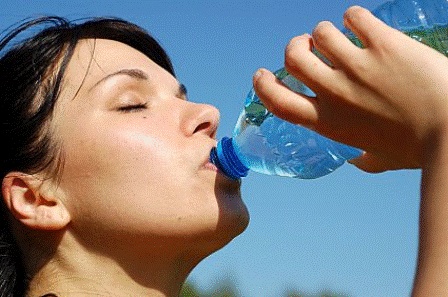
Are You Drinking Enough Water?

I was advised yet again by my Chinese reflexologist to drink more water in order to keep my back pain under control. And it surely works! I also read some more on the topic to remind myself of the importance and benefits of drinking enough water. Here’s one such article:

Water is a major component of every body cell, tissue and organ. It plays an important role in almost every body function, including:

  • Temperature regulation
  • Transportation of oxygen and nutrients through the blood
  • Acting as a necessary component of chemical reactions
  • Aid in elimination of waste through urine and feces
  • Lubrication of joints
  • Acting as a major component of body fluids such as mucus and tears
  • Giving the cells their shape and stability

Daily Requirements: Generally speaking, people should consume approximately 2 to 3 liters of fluid each day. This does not take into account a person’s medical condition, exercise habits, and living environment. Day-to-day activities may also increase ones need for fluid. For example, water requirements are increased when flying or during strenuous exercise.

Other sources of water: Many fruits and vegetables have a high water content, another reason why we should eat a lot of fresh produce. One hundred percent fruit juice also contributes fluid to our diet. Caffeine, however, is dehydrating and can cause you to lose water. Soda and many fruit juices are a huge source of wasted calories in our diet. (Source: Dudek, Susan G. Nutrition Essentials for Nursing Practice)

Subscribe to get latest posts in email. Follow the latest links in Twitter. Forward this link to friends. Friend me up on Facebook.


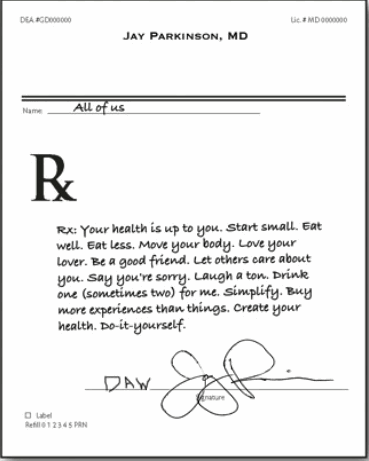
Your Health is up to You!

Do it yourself.

Most doctors prescribe pills, I prescribe empowerment. We spend less than an hour per year with our doctor—and 8,765 without. Fortunately, we live in the age of DIY. And now we have the tools to create a new health experience. Dr. Google is always there for us. We can connect with the 500 people in the country all living with the same rare illness. We can email our doctor or meet them by video chat. We can find the nearest farmer’s market with our iPhone. We can use the web to find fellow runners in our neighborhood. Living healthy is getting easier every day.

Imagine if your doctor, acting as your consultant, prescribed all these tools for you to be the most empowered CEO of your health. What if you paid your doctor for advice to keep you out of their office? What if we looked at protecting our own health the same way we look at protecting the environment? What if being healthy became a social, not just a personal, cause? Empowerment is the best prevention.

Here’s my prescription.

By Jay Parkinson – co-founder of Hello Health

Subscribe to get latest posts in email. Follow the latest links in Twitter. Forward this link to friends. Friend me up on Facebook.