We need more of this stuff, especially to show our kids!
Health
No more cheat days or ‘sin-days’!
 Reprinted from DailyMail UK. In case you are wondering how to consume 3000 calories a day, it’s easy: some pizzas, some soft drinks, some ice cream, some chocolates, some danish… I am switching to a monthly cheat day; waiting for 1st October.
Healthy does not mean boring and bland
 I had my favorite salad for lunch today, and realised not many people are aware of this amazing combination.
Main ingredients:
- Avocados
- Cheery tomatoes
- Lettuce
- Oranges
Dressing ingredients:
- Lemon juice
- Vinegar
- Olive oil
- Honey
What next? Chop the main ingredients and mix together. Then make the dressing and pour over the salad. Lastly, sprinkle crushed walnuts on top and serve/eat. Visually appealing, extremely nutritious, quite filling and very delicious!
Please share your favorite salad recipe.
Check out Dinchack Facebook page for daily tips on happiness, motivation and success!
6 months on Paleo: maintaining at 75kg and 32.5″!

Paleo has become my favorite diet and lifestyle. Not only it allows me to maintain myself at my perfect weight and size, without regular exercise, there are lots of other benefits too!
I first heard it from Hamza, my son who is a bigger health and fitness freak than I am. Then I read the book, The Paleo Solution. More on that here.
I started following the diet in September, and lost 3kg and 2 inches of belly fat in 4 weeks, as reported here. By week 6, I had lost 3.5kg and 2.5 inches of belly fat, as posted here with a photo in November 2012.
By week 8, I had achieved my target of losing 4kg and 3 inches of belly fat. I was down to my perfect weight of 75kg and waist size of 32.5″. Here’s the best part: I have maintained it for the last 4 months! Want to know what the diet really is? Read it here.
It’s easy to follow. You don’t need to go find or cook anything special. Just remove carbs from your regular meals and add some more vegetables, nuts and lean meat.
While on Paleo, I feel more energized all day long, even during late afternoon and after dinner. Sleep seems to have become more refreshing and it’s easier to wake up energized.
If you are serious about weight loss, you must read more on Paleo and give it a try.
[Photo of one of the best fruit salads I’ve ever had, during one of my travels to the Middle East]
Paleo Diet works: lost 3kg and 2 inches in 4 weeks
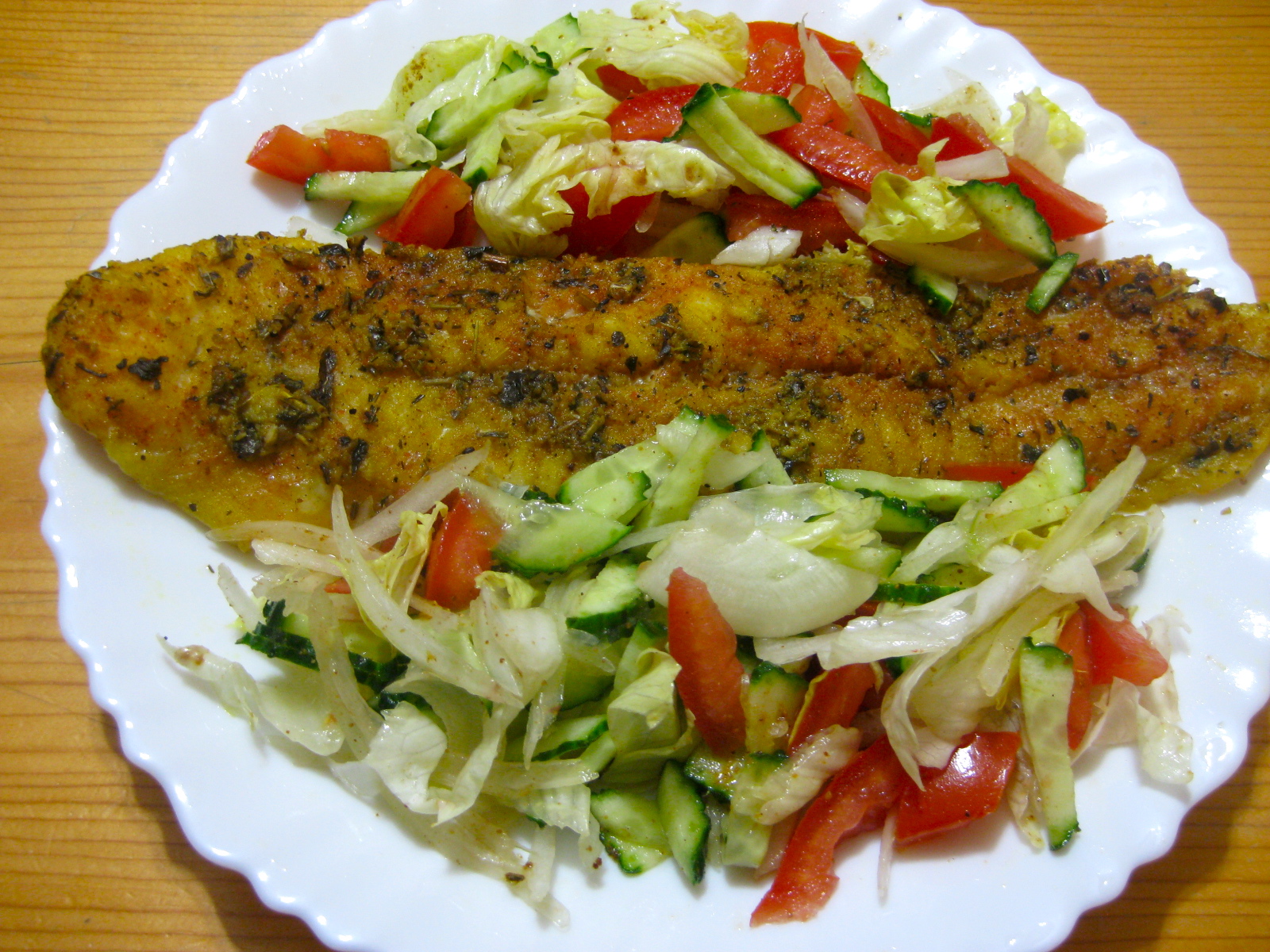
In a post last month, I wrote about my introduction to Paleo and the 30-day challenge. Well, 30 days are over and here are the results: lost 3kg and 2 inches from the waist.
If you don’t want to read the book, here’s the summary: The basic theory behind the Paleo Diet is that our bodies are evolutionary and genetically designed to thrive on Paleolithic era. You choose foods that were available during the caveman-era, such as meat, fish, eggs, roots, vegetables, berries and mushrooms. And you give up on all processed foods and everything that came along after agriculture and animal farming were adopted such as sugar, added salt, dairy, grains and all processed or fast foods. You drink water and eliminate all beverages, except green tea and coconut water.
My challenge was to cut down on lentils, yogurt, fruits, home-made roti (bread) and the afternoon latte, while introducing eggs and meat back into my diet. Here’s what my diet looked like: Continue reading
What does it take to work off a blueberry muffin?
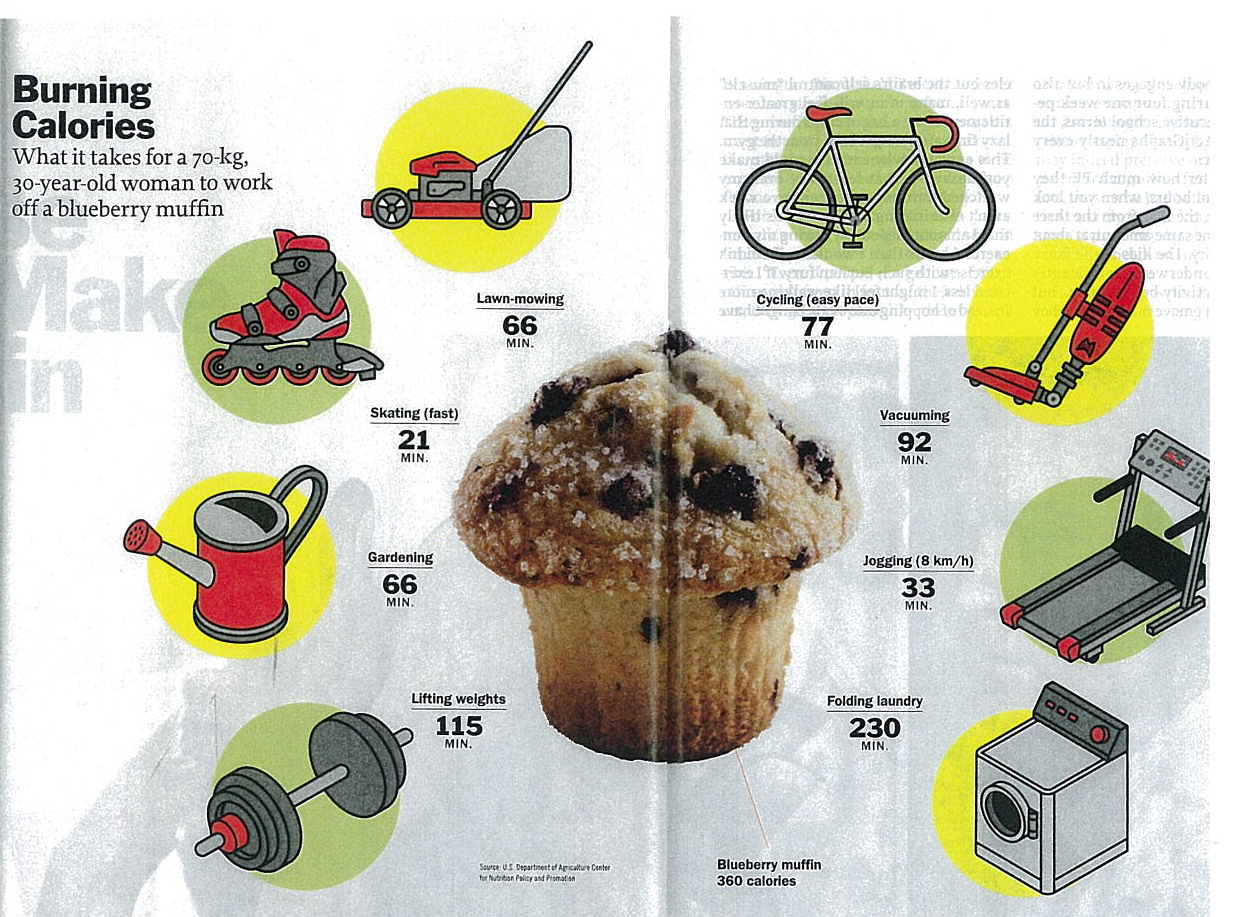
What it takes for a 70-kg, 30-year-old woman to work off a blueberry muffin (360 calories):
- 21 minutes of fast skating or
- 33 minutes of jogging or
- 66 minutes of lawn-mowing or gardening or
- 77 minutes of cycling or
- 92 minutes of vacuuming or
- 115 minutes of lifting weights or
- 230 minutes of folding laundry
Think before you eat 🙂 [photo credit: TIME magazine, August 2009]
Download free e-book: 47 simple steps to enhancing life
10 health benefits of fasting
- Fasting promotes detoxification. As the body breaks down its fat reserves, it mobilizes and eliminates stored toxins.
- Fasting gives the digestive system a much-needed rest. After fasting, both digestion and elimination are invigorated.
- Fasting quiets allergic reactions, including asthma and hay fever.
- Fasting promotes the drying up of abnormal fluid accumulations, such as edema in the ankles and legs and swelling in the abdomen.
- Fasting normalizes blood pressure in the vast majority of cases.
- Fasting makes it easy to overcome addictions e.g. tobacco, caffeine and alcohol.
- Fasting clears the skin and whitens the eyes.
- Fasting restores taste appreciation for wholesome natural foods. Our taste buds come alive after fasting and food never tastes better.
- Fasting is the perfect gateway to a healthful diet and lifestyle. Going on a fast gives you the motivation and enthusiasm to make a fresh start.
- Fasting initiates rapid weight loss with little or no hunger. Most people are surprised at how little desire for food they have while fasting.
[Muslims practice 30 days of fasting every year, and it starts tomorrow!]
More health tips in my book, Dhinchak Life
10 health benefits of fasting
 The 2009 article on health benefits of fasting, continues to be one of the most popular posts on this blog with almost 5,000 views. And most of these come through Google search, suggesting there’s a lot of interest in the subject. Here is a slightly edited version:
Fasting is the act of willingly abstaining from some or all food, drink, or both, for a period of time. Almost every expert in medicine, heath and nutrition has written something about the benefits of fasting. Here’s a summary:
- Fasting promotes detoxification. As the body breaks down its fat reserves, it mobilizes and eliminates stored toxins.
- Fasting gives the digestive system a much-needed rest. After fasting, both digestion and elimination are invigorated.
- Fasting promotes the resolution of inflammatory processes, such as in rheumatoid arthritis.
- Fasting quiets allergic reactions, including asthma and hay fever.
- Fasting promotes the drying up of abnormal fluid accumulations, such as edema in the ankles and legs, and swelling in the abdomen.
- Fasting corrects high blood pressure without drugs. Fasting will normalize blood pressure in the vast majority of cases.
- Fasting makes it easy to overcome bad habits and addictions. Fasting rapidly dissipates the craving for nicotine, alcohol, caffeine and other drugs.
- Fasting clears the skin and whitens the eyes. It is common to see skin eruptions clear while fasting, and the whites of the eyes never look so bright as they do after fasting.
- Fasting restores taste appreciation for wholesome natural foods. People say that their taste buds come alive after fasting and that food never tasted so good.
- Fasting initiates rapid weight loss with little or no hunger. Most people are surprised at how little desire for food they have while fasting.
Besides the above health benefits, fasting is also an excellent training in self discipline and will power. Successful fasting for a period of time can provide motivation to carry on a healthy diet. Will you try it?
[Millions of Muslims around the world are starting their fasting month, called Ramadhan. We would abstain from all food and drinks from dawn to dusk every day for thirty days! Many break their fast with dates.]
Causes, prevention and treatment of hair loss
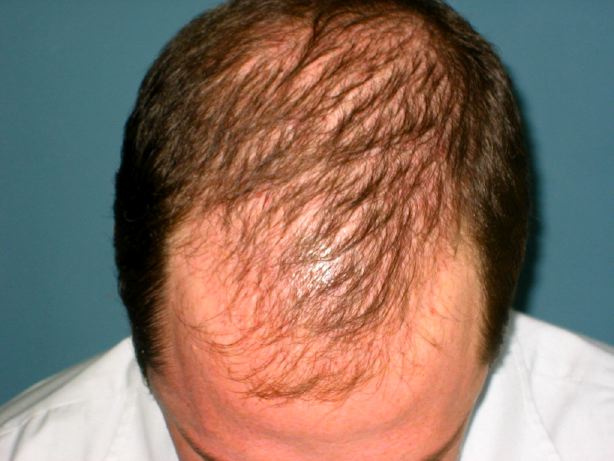
I’ve been reading about hair loss, and I came across this very comprehensive ebook: Solving Hair Loss. It has very useful information on the reasons for hair loss and what you can do about it; different hair loss conditions; prevention and lots of practical advice. Here’s a section on Nutrition for Healthier Hair:
- Avoid junk food. Steer clear of sugary, fatty foods, which fill you up with calories that have no nutritional value to your body. These empty calories contain nothing your body needs for building and maintaining healthy skin and hair.
- Eat high-quality proteins. Since hair is made of keratin protein, a diet deficient in protein will show up in hair thinning and loss. Increase your intake of protein-rich foods such as fish, poultry, eggs, dairy, soy, nuts, grains, beans and seeds.
- Get amino acids. There are eight essential amino acids included in “complete proteins” which are necessary on a daily basis. Come complete proteins include fish, poultry, yogurt, cheese, soybeans and eggs.
- Consume essential fatty acids. These nutrients are essential to healthy hair and the cellular function necessary for hair growth, but they are not produced within the human body. The daily use of seeds and nuts and the oil from them, such as flax seed oil, on salads and in any dishes that do not require heating will bring the essential omega-6 fatty acids to your diet. Omega-3, the other important fatty acids, are contained in oily fish and walnuts.
- Avoid caffeine and carbonated drinks. These empty-calorie drinks actually leach important vitamins and minerals from your body, and also take the place of healthier choices such as water, green tea and fresh fruit juices.
- Drink your water. The human body needs about 64 ounces of water (eight 8-ounce glasses) to maintain healthy body systems, including hair growth. After urinating the first time upon waking up, your urine should be colorless and odorless for the rest of the day. If it is a concentrated yellow or has a strong odor, increase your water intake further.
- Don’t crash diet. A diet very low in calories (fewer than 600 per day) deprives hair, as well as the rest of your body, of the necessary nutrients for health and growth and will result in breakage and dull hair.
Download the free ebook here, and find more info at Hairloss.com. And please share your own tips through comments. [See Mush’s Page on Facebook]
Happiness, Health and Productivity – best of 2010
 Here’s a collection of links to some of the most popular posts on my blog during the last 12 months. I hope you find them useful and consider sharing with friends. These may have some ideas for your New Year Resolutions too:
On Happiness:
- It starts with gratefulness
- Your happiness, in your hands
- 3 more happiness tips
- 5 attitudes of happy people
- Make the right choice
On Health and Nutrition:
- How to lose 3 kg in three weeks
- 11 benefits of eating fruit
- Importance of drinking enough water
- Causes, symptoms and management of stress
- Sleeping problems? Read this
On Productivity:
- Why and how to be punctual
- How not to use your mobile device
- 6 most common email mistakes
- Efficiency vs. effectiveness
- “I just don’t have the time!“
Please let me know which ones did you find most useful.
[Photo taken during a hike in Rotorua, NZ – Nov. 2010]
Does Rice Make You Fat?
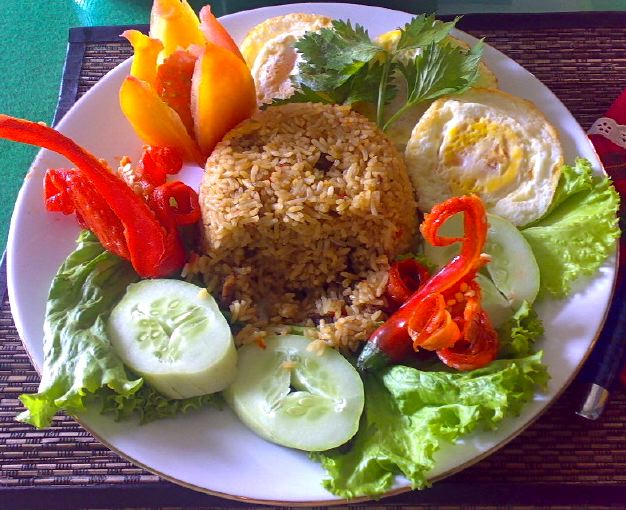 Every time I travel to Indonesia, India, Pakistan or Sri Lanka, I notice the amount of rice consumed at every meal. For many, rice is a big part of their breakfast, lunch and dinner. And very often, it’s fried rice and in huge portions – unlike the rice consumed in Japan or Hong Kong where it’s usually steamed rice and limited to a small bowl per meal. And it’s all white rice! I wondered if there’s a connection between the consumption of rice and obesity in these countries. I did some quick reading and research and here are some of the facts:
- Indonesia and China are amongst the top five consumers of rice with 150kg and 90kg per person per year, respectively. US and France consume only 9kg and 4kg of rice per person per year! World rice consumption has increased 40 percent in the last 30 years, from 62kg per capita to 86kg per capita.
- Carbohydrates like rice break down as sugar and are stored as fat when not burned as energy. According to WikiAnswers: White rice is a simple carb; it is converted to sugar with very little calorie usage. In itself rice does not make you gain weight. However if you would like to lose weight it is best to stick to whole grains e.g. brown rice and whole wheat bread, these take more processes to get converted into sugar so they use more calories.
- Brown rice is an excellent source of dietary fibre; one cup provides 14% of the daily value. Consumption of brown rice can reduce high cholesterol and prevent constipation.
- A Harvard Med study on 74,000 females between the ages of 38-63 suggested that weight was directly related with the consumption of refined grains like white rice. The women who had brown rice in their diets were not only slimmer, but were also 49% less likely to gain weight.
In summary, there are compelling reasons to switch from white rice to brown rice. And obesity, as we all know, is a result of too many calories in and too few out. And eating less, eating natural food and regular exercise are the surest ways of staying healthy and in good shape. Please provide your thoughts and tips through comments.
[Photo of Nasi Goreng from Indonesia – white fried rice mixed with meat or vegetable, usually served with a fried egg and some salad]
Connect with Mush on Facebook, Twitter, Flickr or YouTube. Subscribe for email updates.
9 Secrets from the “Blue Zones” by Dan Buettner
National Geographic writer and explorer Dan Buettner studies the world’s longest-lived peoples, distilling their secrets into a single plan for health and long life. Dan and team study the world’s “Blue Zones,” communities whose elders live with vim and vigor to record-setting age. He shares the 9 common diet and lifestyle habits that keep them spry past age 100, and five out of these have nothing to do with diet or exercise! One of the best and most inspiring videos I have ever come across:
How I lost 3 kg in 3 weeks!
 I don’t believe in short-term weight loss programs. Even if you are successful in losing weight through a few weeks or months of a diet or exercise routine, you put it back on as soon you go back to your ‘normal’ lifestyle. That’s why it’s much better to make long-term lifestyle changes that you can live with, for example:
- Eat more fruits and vegetables; cut unhealthy fats and sugars, reduce processed food; eat slowly and in small portions…
- Make some exercise part of your routine, whether it’s walking, jogging, swimming or playing your favorite sports a few times every week…
- Learn to sleep well; reduce stress; maintain good posture…
- Know your ideal weight, considering your height and structure, and figure out the calories you can consume, considering the amount of exercise you can do. (Tough one!)
Having said all that, there are times when one needs to get rid of a few kilos quickly. I usually maintain my weight at 75 kg. But every once in a while, I find myself guilty of putting on an extra kilo or two. And for such occasions, I have figured out a diet that helps me lose one kilo per week, without starving or Continue reading
35 Steps to an Enhanced Life
We all want more happiness, better health, increased productivity and improved relationships. We want to be able to motivate ourselves to do the things we know we should do to enhance our lives. I try to help myself and others to achieve all that through this blog.
Here’s a collection of posts from the last couple of years that I consider to be the best, considering the popularity and comments from the readers. Most articles are short, and take only a few minutes to read. Please let me know through your comments if this collection could form a useful ebook…
 Happiness:
- It all starts with gratefulness
- 4 tips for instant happiness
- Quotes on relaxing and beating stress
- The weird idea of ‘happy new day’
- Unhappiness comes from unrealistic expectations
- Controlling anger
- How to deal with negative people
- Thinking about the past, present and future
Health:
- Your health is up to you
- How to sleep well and wake up recharged
- The power of breathing
- Say ‘no’ to Diet Coke
- Negative emotions can cause heart disease
- How much sugar are you consuming?
- Causes, symptoms and management of stress
- 10 benefits of swimming
Productivity:
- The 4 D’s of time management
- 7 tips for a clean desk
- Take time to read
- Un-clutter now
- 5 benefits of rising early
- The best kept secret
- Avoid these email mistakes
Relationships:
- #1 source of happiness
- Listening with your eyes
- Tips for a happy marriage
- What do you expect?
- The power of ‘thank-you’
Motivation:
- Why most people don’t achieve their goals?
- Patience, persistence and positive attitude
- What’s true success?
- 3-part method of overcoming challenges
- Be the best you can
- Life – destiny or choice?
- Change anything
Please take a few minutes to tell me about your most favorite articles, through comments below. Thanks.
[Photo of Kuk Po hike near Tai Po in Hong Kong, taken last week]
Are You Drinking Enough Water?
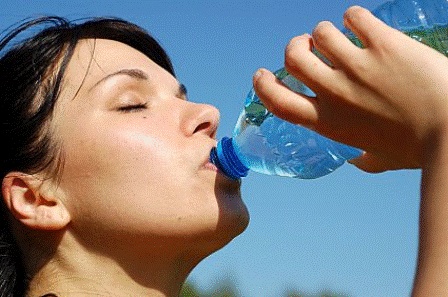 I was advised yet again by my Chinese reflexologist to drink more water in order to keep my back pain under control. And it surely works! I also read some more on the topic to remind myself of the importance and benefits of drinking enough water. Here’s one such article:
Water is a major component of every body cell, tissue and organ. It plays an important role in almost every body function, including:
- Temperature regulation
- Transportation of oxygen and nutrients through the blood
- Acting as a necessary component of chemical reactions
- Aid in elimination of waste through urine and feces
- Lubrication of joints
- Acting as a major component of body fluids such as mucus and tears
- Giving the cells their shape and stability
Daily Requirements: Generally speaking, people should consume approximately 2 to 3 liters of fluid each day. This does not take into account a person’s medical condition, exercise habits, and living environment. Day-to-day activities may also increase ones need for fluid. For example, water requirements are increased when flying or during strenuous exercise.
Other sources of water: Many fruits and vegetables have a high water content, another reason why we should eat a lot of fresh produce. One hundred percent fruit juice also contributes fluid to our diet. Caffeine, however, is dehydrating and can cause you to lose water. Soda and many fruit juices are a huge source of wasted calories in our diet. (Source: Dudek, Susan G. Nutrition Essentials for Nursing Practice)
Subscribe to get latest posts in email. Follow the latest links in Twitter. Forward this link to friends. Friend me up on Facebook.
Your Health is up to You!
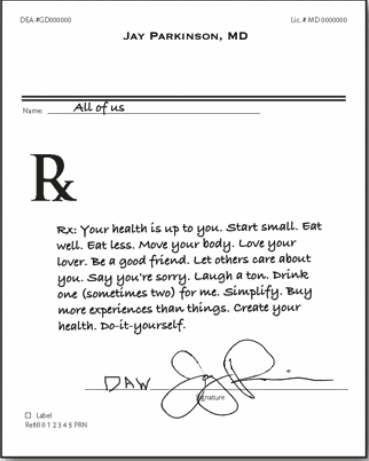 Do it yourself.
Most doctors prescribe pills, I prescribe empowerment. We spend less than an hour per year with our doctor—and 8,765 without. Fortunately, we live in the age of DIY. And now we have the tools to create a new health experience. Dr. Google is always there for us. We can connect with the 500 people in the country all living with the same rare illness. We can email our doctor or meet them by video chat. We can find the nearest farmer’s market with our iPhone. We can use the web to find fellow runners in our neighborhood. Living healthy is getting easier every day.
Imagine if your doctor, acting as your consultant, prescribed all these tools for you to be the most empowered CEO of your health. What if you paid your doctor for advice to keep you out of their office? What if we looked at protecting our own health the same way we look at protecting the environment? What if being healthy became a social, not just a personal, cause? Empowerment is the best prevention.
Here’s my prescription.
By Jay Parkinson – co-founder of Hello Health
Subscribe to get latest posts in email. Follow the latest links in Twitter. Forward this link to friends. Friend me up on Facebook.
17 Things You Should Know About Stress!
We are all affected by stress at some level or another, though we don’t like to admit it. Stress can be positive when it helps you achieve your goals, or implement a change in your lifestyle. But it’s obviously negative when it results in anxiety, depression and illness. This article can help you identify, prevent and deal with stress.
CAUSES OF STRESS
Most common causes of stress are:
- Work-related: This includes deadlines, overload of work, conflicts with the boss or co-workers, job insecurity, lack of recognition etc.
- Money-related: Financial crisis, credit card debt, mortgage, loss of job or just lack of money to do the things you really want
- Relationship-related: Lack of communication, understanding and trust with your partner, parents, kids or close friends
- General lack of fulfillment: Unfulfilled dreams and ambitions; failure in job or relationships
- Attitudes that cause stress: Certain traits and ways of seeing the world can cause stress. E.g. Pessimism, perfectionism, addictions, poor communication, anger, obsessing and other such negative behavior.
SYMPTOMS OF STRESS
One or more of the following symptoms could mean that you are going through stress:
- Headaches: Certain types of headaches can be related to stress.
- More frequent colds or flu: There’s an inverse relationship between stress and immunity, so if you’re under too much stress, you may be getting sick more often.
- Sleep problems: There are many ways that stress affects sleep. Too much stress can rob you of sleep and make the sleep you get less restorative.
- General anxiety: Anxiety does serve an important function for survival, but if you’re feeling anxious much of the time, it could be because you have too many stressors in your life.
- Fuzzy thinking: Your body’s stress response pumps your body with hormones that make it possible for you to fight or flee quickly. But when triggered in excess, this stress response can actually cause you to think less quickly. Continue reading
Fast Food or Slow Food?
 I just read this very interesting and useful article on Zen Habits, one of my favorite blogs:
It’s been awhile since I’ve written about the Slow Food movement, but I really believe it’s the answer to many of our problems: health and obesity, the hectic and stressful pace of modern life, and the lack of happiness in a complex and often burdensome world.
This is the Anti-Fast Food Diet — a way to not only lose weight and get healthier, but to change your life to one of simplicity, moderation, and joy.
Abandon fast food, and all the values it brings: mass consumption, mass production, the exploitation of workers, the destruction of the environment, the destruction of small local businesses, the corporatization of our culture.
Instead, embrace Slow Food. Here’s how. Continue reading
How Much Sugar Are You Consuming?
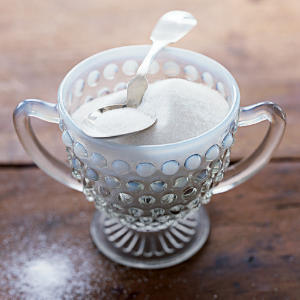 We all know that most sugar is bad for us. Here are some of the harmful affects of sugar on our body:
- Sugar can suppress the immune system.
- Sugar can contribute to hyperactivity, anxiety, depression, concentration difficulties, and crankiness.
- Sugar contributes to a weakened defense against bacterial infection.
- Sugar can cause kidney damage.
- Sugar can increase the risk of coronary heart disease.
- Sugar can promote tooth decay.
- Sugar can produce an acidic stomach.
- Sugar can increase total cholesterol.
- Sugar can contribute to weight gain and obesity.
- Sugar can cause hormonal imbalance.
- Sugar can cause hypertension.
- Sugar can cause headaches, including migraines.
Avoiding sugar is not easy because it is processed in so many foods we eat. These foods are not just sweets; sugar in large quantities can be found in “non-sweets” products. Here’s the approximate sugar content of popular foods Continue reading
Negative Emotions Can Cause Heart Diseases!
 There’s huge amounts of research into the effects of our emotions on our health. It seems to have been established that negative emotions like anger, anxiety, bitterness, un-forgiveness and depression release chemicals into our system that weaken our immune system and reduce its ability to fight disease. And positive emotions like happiness, gratefulness, pleasure, love and kindness produce chemicals that strengthen the immune system. Following quotes by experts suggest a direct link between stress and heart diseases, especially in women:
“Because men’s hearts aren’t as responsive to emotional stimuli, emotion is a more important predictor of heart problems in women. Hurtful emotions can cause a woman’s arteries to spasm and close down like a boa constrictor squeezing around its prey.” (Dr. Mehmet Oz, MD, Cardio Surgeon at NY-Presbyterian/Colombia University.)
“Stressful emotions account for roughly 30 percent of all heart attacks. They rank at par with high blood pressure and abdominal fat, straining the heart by increasing your rate and flooding your body with high levels of potentially toxic hormones like cortisol and adrenaline.” (Landmark Interheart Study – a survey of heart disease in 24,000 people in 53 countries)
“Stress from negative emotions also makes the blood clot faster, adding to heart disease risk. Stress can also play an indirect role in heart disease by interfering with exercise, a healthy diet and adequate sleep.” (Karina Davidson, Ph.D., co-director of the Center for Behavioral Cardiovascular Health at Colombia University Medical Center)
“Anger, anxiety and depression are the main ways women channel stress, and each emotion has a profound effect on the heart.” (Redford Williams, MD, Director of Behavioral Research at Duke University and author of In Control.)
 Mush Panjwani